In Iowa, a garage door takes a beating from every season. Winter brings cold wind, snow, and freezing temperatures. Summer brings heat, humidity, and long afternoons of direct sun. If your garage door is uninsulated, that large surface can become one of the weakest points in your home’s energy performance, especially when the garage is attached to the house.
The garage often gets overlooked, even when it shares walls, ceilings, doors, or finished rooms with the living space. A cold garage can pull comfort away from nearby rooms. A hot garage can make bedrooms, laundry rooms, mudrooms, and bonus rooms harder to cool. At Precision Insulation & Coatings, we see this across Des Moines and Central Iowa. Sometimes the garage door is part of the issue.
Other times, the problem also involves the garage ceiling, shared walls, rim joists, air leaks, or moisture concerns. That is why garage insulation in Des Moines, Iowa, should not be treated as a one-product fix. The right solution starts with understanding how the garage connects to the rest of the home.
Why the Garage Door Matters
A standard garage door covers a large opening. If it has little or no insulation, heat can move through the door more easily. In winter, warmth can be lost from the garage to the outdoors. In summer, outdoor heat can move into the garage and raise the temperature inside. This matters most in attached garages. Even if you do not heat or cool the garage directly, the rooms beside or above it may be conditioned.
The garage-to-house wall, service door, ceiling below a finished room, and floor framing can all become paths for heat transfer and drafts. The U.S. Department of Energy explains that insulation slows conductive and convective heat flow. That same principle applies to garage doors, walls, ceilings, and floors. When one large surface is left uninsulated, the benefit of nearby insulation can be reduced.
An uninsulated garage door does not always mean the entire home is inefficient. But in Iowa’s climate, it can add stress to comfort, especially if the rest of the garage is also under-insulated or poorly sealed.
Iowa Weather Makes Small Weak Spots Feel Bigger
Iowa homes deal with serious temperature swings. A garage that feels slightly chilly in October can become uncomfortable during a January cold snap. During summer, the same space can hold heat well into the evening, especially if the door faces the sun. That temperature swing affects more than stored tools or vehicles. Cold can move through shared walls and floors. Air leaks can carry drafts into nearby rooms.
If a bedroom sits above the garage, poor insulation below the floor can lead to cold floors, uneven temperatures, and a room that never feels as comfortable as the rest of the house. Humidity also matters. Warm, moist summer air can enter gaps and framing cavities. In winter, indoor moisture can move toward cold surfaces.
When insulation, air sealing, and moisture control are not handled correctly, comfort problems can turn into condensation concerns. This is why garage insulation contractors Iowa homeowners hire should inspect more than the garage door panel. A professional should look at the walls, ceiling, rim joists, penetrations, weatherstripping, and the full boundary between the garage and living space.
Air Leaks Can Waste More Than You Think
Insulation slows heat transfer, but air leaks can still move heat, cold, moisture, dust, and odors through small openings. Around a garage door, common leak points include the bottom seal, side jambs, top weather seal, cracked trim, and gaps around older doors. Inside the garage, leaks may also occur around outlets, pipes, framing gaps, attic access points, and the door leading into the home.
ENERGY STAR notes that sealing air leaks and adding insulation can improve comfort and energy efficiency, with potential savings up to 10% on annual energy bills when done properly. The Department of Energy also explains that caulking and weatherstripping are practical methods for reducing leakage around openings.
For a garage, that means perimeter seals, service doors, penetrations, and obvious cracks should be addressed before expecting insulation to perform at its best. This is where experienced garage door insulation installers and insulation professionals should follow the same building science principle: stop uncontrolled air movement first. A door insulation kit can improve the panel, but if cold air still moves freely around the edges, the garage will remain uncomfortable.
Why Rooms Near the Garage Feel Different
One of the most common comfort complaints in Iowa homes is a room that never matches the rest of the house. It may be a bedroom above the garage, a hallway beside it, a laundry room near the garage entry, or a finished bonus room. The reason is usually a combination of air leakage, missing insulation, thermal bridging, and poor separation between conditioned and unconditioned spaces. When the garage door is uninsulated, the garage temperature can drop quickly.
That colder air affects nearby surfaces, and the HVAC system has to work against those cold surfaces. The Department of Energy recommends continuous air and thermal barriers between unconditioned garages and conditioned spaces above them. It also notes that garages can contain pollutants, including carbon monoxide from car exhaust, which is another reason the garage-to-home boundary should be carefully sealed.
Garage Door Insulation Helps, But It Is Not Always Enough
Insulating the garage door can help reduce heat transfer through the door itself. It can also reduce some outside noise and make the garage feel less exposed to outdoor temperatures. For many homeowners, that is a worthwhile upgrade. Still, the door is only one part of the system.
If the garage walls are bare, the ceiling below a living space is under-insulated, or the air leaks are significant, the door alone will not fix every comfort issue. A good garage insulation Des Moines, Iowa evaluation should be based on actual site conditions. A practical garage insulation plan may include:
- Insulating the garage door or replacing it with an insulated door
- Sealing the door perimeter and the bottom seal
- Air sealing the wall and ceiling between the garage and home
- Insulating shared walls, ceilings, rim joists, and bonus room floors
- Checking attic or roofline connections above the garage
- Reviewing moisture concerns before insulation is installed
- Choosing the right insulation material for the space
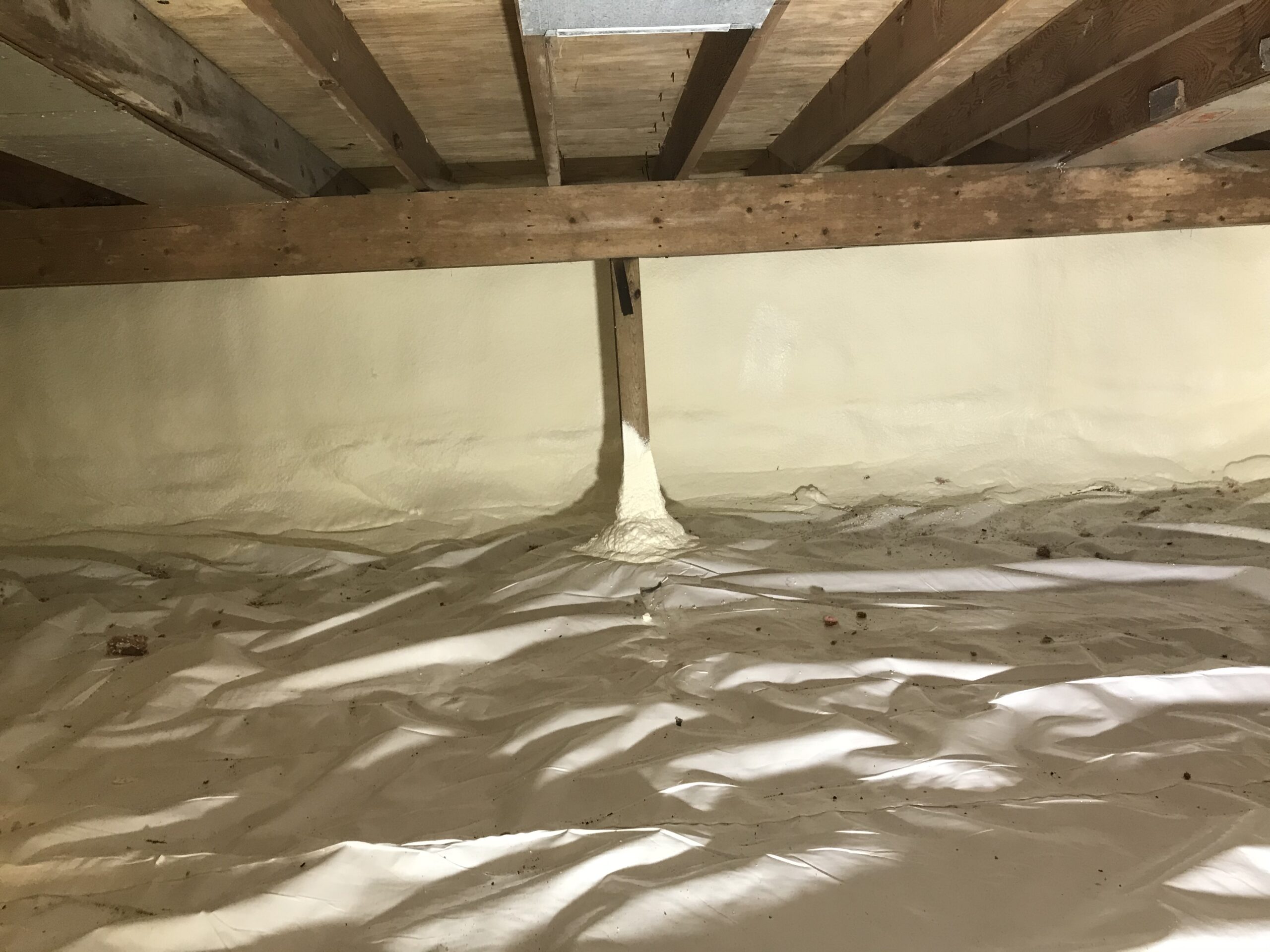
For the right project, the spray foam insulation in Des Moines, Iowa, that homeowners choose can help reduce drafts in hard-to-seal areas such as rim joists, garage ceilings, bonus room floors, and irregular framing cavities.
Choosing the Right Insulation Material
Every garage is different. The best material depends on the location, moisture conditions, available cavity depth, code requirements, and how the space is used. Open-cell spray foam can work well in certain interior applications where cavity fill, sound control, and air sealing are priorities. Closed-cell spray foam is denser and offers a higher R-value per inch.
It can also help manage air movement and moisture in specific assemblies when installed in the right place. Fiberglass can also be useful in some framed garage walls and ceilings, but it must be installed correctly. Gaps, compression, missing supports, and unsealed air leaks can reduce performance. Insulation should fit the cavity, stay in contact with the air barrier, and remain protected from moisture.
That is why working with an insulation contractor in Des Moines, homeowners can trust matters. The goal is not simply to add material, but to improve comfort, reduce air movement, and protect the structure.
Attached Garages Need Careful Air Sealing
An attached garage is connected to the home’s comfort and safety. The shared wall between the garage and living space separates a colder or hotter area from rooms your family uses every day. Gaps around outlets, base plates, top plates, pipes, ducts, and framing transitions can allow air to move between the garage and the home. In winter, that can mean drafts. In summer, it can mean heat and humidity. It can also allow garage odors to move indoors.
A good insulation project should respect that boundary. Air sealing should happen before insulation covers the cavities. Penetrations should be handled with the right materials. Fire separation requirements should be considered where the garage meets the living area. Qualified garage insulation contractors Iowa homeowners work with should be able to explain what they are sealing, why it matters, and how the finished assembly should perform.
Signs Your Garage Is Hurting Home Efficiency
Homeowners usually notice comfort problems before they think about insulation. Watch for these common warning signs:
- The garage becomes extremely cold in winter or hot in summer
- A room beside or above the garage feels uncomfortable
- The floor above the garage stays cold
- Drafts are noticeable near the garage entry door
- The garage door has visible gaps around the sides or the bottom
- Heating or cooling costs seem higher than expected
- The garage smells damp, musty, or drafty
- Stored items are affected by temperature swings
These signs do not always mean the garage door is the only problem. They do mean the garage should be inspected as part of the home’s energy performance.
Roof Coatings, Moisture, and the Building Envelope
A garage door is one part of the building envelope. Roof surfaces, attic areas, and low-slope building sections also affect comfort and durability. For homes, garages, shops, commercial buildings, and agricultural structures in Iowa, moisture and heat exposure can show up in more than one place.
Iowa roof coatings can help protect suitable roof surfaces from weather exposure, UV damage, standing water concerns, and surface wear when the existing roof is a good candidate for restoration. For commercial or low-slope structures, working with a waterproofing roof contractor Iowa property owners trust can help address roof leaks and moisture concerns before they affect insulation or interior finishes.
This matters because insulation should not be installed over active leaks or unresolved moisture problems. If a garage, shop, or building has roof leaks, condensation, or water intrusion, those issues should be corrected first. Good insulation work starts with a dry, stable, properly prepared structure.
What a Professional Inspection Should Include
A proper inspection should be specific to the home. The contractor should ask how you use the garage, whether nearby rooms feel uncomfortable, and whether you have noticed drafts, moisture, odors, pests, or water issues.
A good inspection may include reviewing the garage door, door seals, shared walls, garage ceilings, rim joists, framing transitions, attic connections, penetrations, and moisture concerns. It should also include a clear explanation of whether spray foam, fiberglass, air sealing, door improvements, or another approach fits best.
When our experts evaluate a garage, the main focus is on recommendations that make sense for the building. Some projects need spray foam, some need targeted air sealing and fiberglass, and some need the garage door addressed first. Others need moisture or roof concerns corrected before insulation work begins.
Why Local Experience Matters
Iowa homes are not all built the same. Some have older attached garages with very little insulation, and some have newer homes with bonus rooms above the garage that still feel uncomfortable. While some garages connect to shops, additions, mudrooms, or living spaces with complicated framing. Local experience matters because materials need to fit the climate and the structure.
Freeze-thaw cycles, wind, humidity, snow, summer heat, and roof exposure all matter. Precision Insulation & Coatings works across Des Moines and Central Iowa with spray foam insulation, fiberglass insulation, roof coatings, waterproofing support, concrete leveling, and protective coatings. That background helps us look at more than one symptom.
The Bottom Line
An uninsulated garage door may not seem like a major issue, but in Iowa, it can affect comfort, energy performance, and the rooms connected to the garage. When cold air, heat, moisture, and drafts move through the garage, your home can become harder to keep comfortable. The best solution is not always one product. It is a careful look at the garage door, walls, ceiling, air leaks, shared living-space boundaries, and moisture conditions.
That is how you get a result that works in real Iowa weather. If you are looking for garage insulation in Des Moines, Iowa service or comparing garage insulation contractors Iowa homeowners trust, Precision Insulation & Coatings can inspect your garage and recommend a practical path forward.
Contact and schedule an inspection with our team, and we are here to help protect comfort, efficiency, and long-term building performance.
FAQs
1. Does an uninsulated garage door affect home energy efficiency?
Yes, an uninsulated garage door can let heat and cold move into the garage, especially in Iowa weather. If the garage is attached, nearby rooms may feel less comfortable, and your heating or cooling system may work harder than necessary.
2. What is the best insulation for a garage in Iowa?
The best insulation depends on the garage layout, moisture conditions, and how the space is used. Spray foam works well for air sealing and irregular spaces, while fiberglass may fit some framed walls when properly installed, sealed, and protected well.
3. Should I insulate the garage door or the garage walls first?
Start with an inspection. If the garage door has major gaps, address sealing first. If shared walls, ceilings, or rooms above the garage are uncomfortable, wall and ceiling insulation may provide better results than the door alone for comfort, too.
4. Can spray foam be used for garage insulation?
Yes, spray foam can be used in many garage areas, including rim joists, ceilings, shared walls, and hard-to-seal cavities. It helps reduce air leakage when installed correctly by trained professionals familiar with Iowa’s changing climate and local moisture conditions.
5. Do I need professional garage door insulation installers?
Professional help is recommended when the garage is attached to the home, has rooms above it, or shows drafts and comfort problems. Installers can address the door, while insulation contractors evaluate the full garage-to-house boundary and air leaks carefully, too.
6. When should I call Precision Insulation & Coatings?
Call when your garage feels extremely cold or hot, nearby rooms are uncomfortable, or energy bills seem higher than expected. Precision Insulation & Coatings can inspect the space and recommend practical insulation, air sealing, or coating solutions safely for your home.