Your flat roof might look fine from the outside, but inside, it could be silently breaking down. Many homeowners and property owners in Iowa deal with recurring leaks, rising energy bills, and uneven indoor temperatures without realizing the root cause.
It’s not always the roofing material. In most cases, the real issue lies beneath the surface: poor or outdated insulation.
Roof insulation plays a much bigger role than people expect. It protects your roof structure, controls moisture, and reduces stress caused by extreme weather. Without it, even the strongest roofing system can fail early.
This guide will walk you through how roof insulation services in Iowa help extend the life of your roof, improve comfort, and save money in the long run.
Why Roof Insulation Is Essential in Iowa
Iowa weather is anything but predictable. Winters can be brutally cold, while summers bring intense heat and humidity. This constant shift creates stress on your roof throughout the year. Without proper insulation:
- Heat escapes during winter
- Excess heat builds up in summer
- Moisture forms inside the roof system
- Materials expand and contract repeatedly
These factors weaken your roof over time.
Roof insulation acts as a protective barrier. It stabilizes temperature changes and prevents damage caused by environmental stress. Think of it as a shield that protects your roof from both inside and outside forces.
Hidden Problems Caused by Poor Roof Insulation
Most roofing problems don’t appear overnight. They develop slowly due to underlying issues, and insulation is often the missing piece.
1. Moisture and Condensation Damage
When warm indoor air rises and meets a cold roof surface, condensation forms. This trapped moisture can lead to serious problems.
Over time, it can:
- Damage roofing materials
- Cause mold and mildew
- Rot wooden structures
- Weaken the insulation itself
This type of damage often goes unnoticed until repairs become expensive.
2. Ponding Water on Flat Roofs
Flat roofs already have drainage challenges. Poor insulation makes things worse by contributing to uneven temperature distribution. This leads to:
- Surface warping
- Low spots where water collects
- Increased pressure on roofing materials
Standing water slowly breaks down your roof and shortens its lifespan.
3. Cracks, Splits, and Material Failure
Temperature fluctuations cause roofing materials to expand during the day and contract at night. Over time, this cycle creates cracks and weak points. Without insulation to regulate temperature:
- Small cracks grow quickly
- Seams begin to split
- The roof becomes vulnerable to leaks
This is especially common in Iowa due to freeze-thaw cycles.
4. Increased Energy Loss
Poor insulation allows air to escape through your roof. This forces your HVAC system to work harder to maintain indoor temperatures. The result:
- Higher energy bills
- Uneven heating and cooling
- Reduced indoor comfort
Energy loss is not just a comfort issue. It also puts long-term strain on your home systems.
How Roof Insulation Services Extend Roof Life
Now that you understand the problems, let’s focus on the solution. Professional roof insulation services in Iowa address these issues at their core.
Temperature Control
Insulation minimizes extreme temperature changes. This reduces the expansion and contraction that damages roofing materials. A stable roof lasts longer.
Moisture Protection
High-quality insulation prevents condensation from forming inside your roof system. This protects:
- Structural components
- Insulation layers
- Interior spaces
Moisture control is one of the biggest factors in extending roof life.
Air Sealing
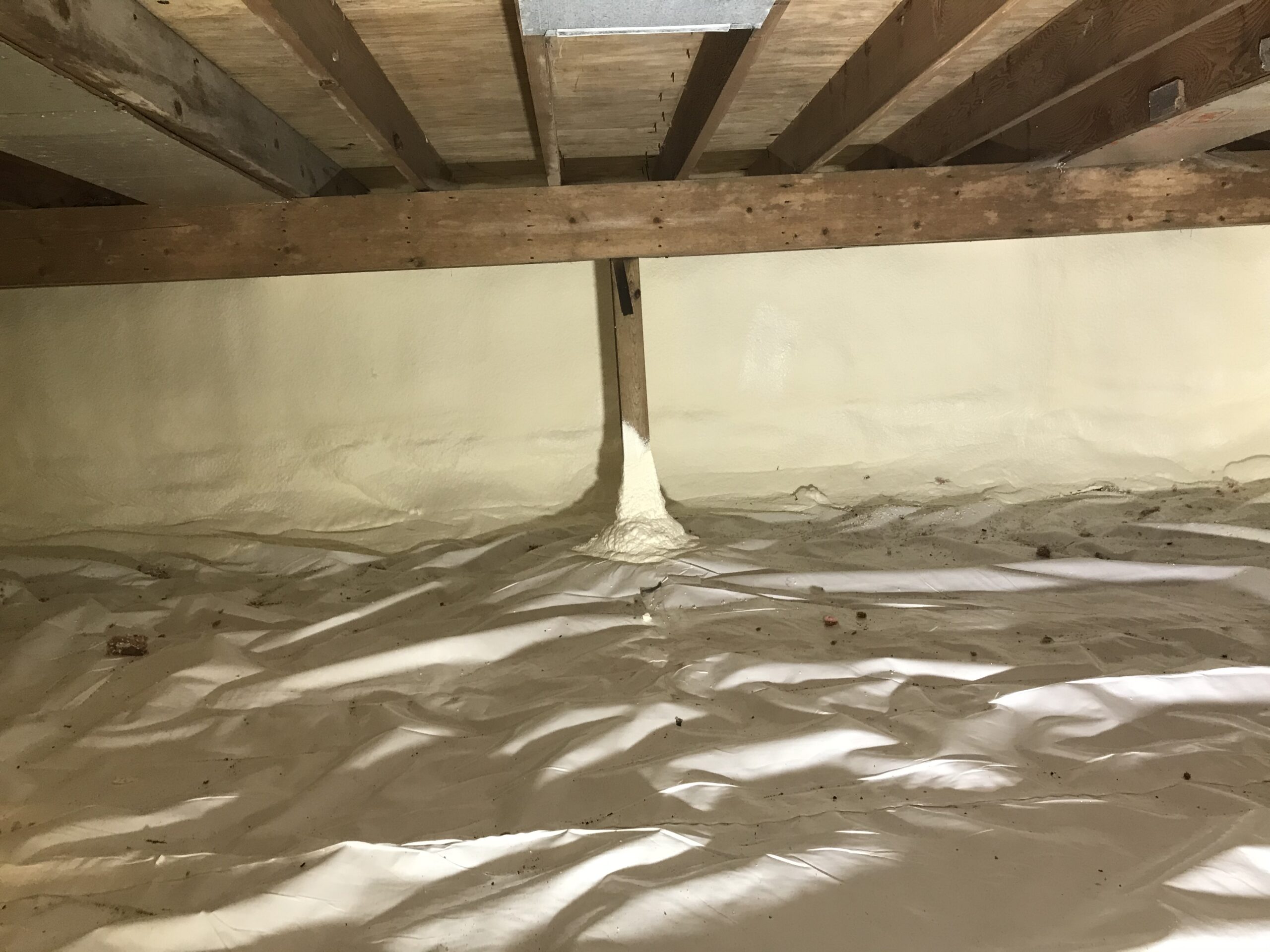
Insulation, especially spray foam, seals gaps and cracks where air escapes. This improves:
- Energy efficiency
- Indoor comfort
- Overall roof performance
Air sealing works hand in hand with insulation.
Reduced Structural Stress
Extreme heat and cold weaken roofing materials. Insulation reduces this stress, helping your roof maintain its strength over time.
Types of Roof Insulation for Iowa Homes
Choosing the right insulation depends on your building type, budget, and goals.
Spray Foam Insulation
Spray foam is one of the most effective options available. It expands to fill every gap, creating an airtight seal. Benefits include:
- High R-value
- Excellent moisture resistance
- Strong air sealing
- Long-lasting performance
Spray foam works particularly well for flat roofs and complex structures.
Rigid Foam Board Insulation
Rigid foam boards provide consistent coverage and durability. They are commonly used in:
- Flat roofs
- Commercial buildings
- Exterior insulation systems
These boards offer strong thermal resistance and help prevent moisture infiltration.
Blown-In Insulation
Blown-in insulation is ideal for filling irregular spaces. It:
- Covers hard-to-reach areas
- Improves overall insulation coverage
- Works well in attics and roof cavities
This option is often used in combination with other insulation types.
Fiberglass Batt Insulation
Fiberglass is a budget-friendly option. It works best for:
- Standard roof structures
- Simple installations
However, it does not provide the same level of air sealing as spray foam.
The Role of Coatings Alongside Insulation
Insulation alone is powerful, but when combined with protective coatings, the results improve even more. Roof coatings:
- Reflect sunlight
- Reduce heat absorption
- Protect against UV damage
- Extend roof lifespan
Together, insulation and coatings create a complete protection system for your roof.
Installation Tips for Long-Term Results
Even the best insulation will fail if installed incorrectly. Proper installation is critical.
Start with a Full Inspection
Before installing insulation, check for:
- Existing damage
- Air leaks
- Moisture issues
Fixing these problems first ensures better performance.
Choose the Right Thickness
Insulation thickness affects performance.
Too thin:
- Poor insulation
- Energy loss
Too thick:
- Wasted material
- Higher costs
Professionals help determine the right balance.
Ensure Proper Ventilation
Ventilation prevents moisture buildup. A well-balanced system includes:
- Intake vents
- Exhaust vents
- Airflow pathways
This keeps your roof dry and efficient.
Hire Professional Insulation Experts
DIY insulation often leads to gaps and uneven coverage. Professional installers:
- Use proper equipment
- Follow building codes
- Ensure complete coverage
This guarantees long-term performance.
Cost vs Long-Term Savings
Many property owners hesitate due to upfront costs. However, insulation is an investment. With proper insulation, you can expect:
- Lower energy bills
- Fewer repairs
- Longer roof lifespan
Over time, these savings often exceed the initial cost.
Why Iowa Homes Need Insulation More Than Ever
Modern homes and buildings face higher energy demands. At the same time, weather conditions are becoming more extreme. This makes insulation more important than ever.
Without it, you risk:
- Higher maintenance costs
- Reduced comfort
- Faster roof deterioration
With it, you gain:
- Stability
- Efficiency
- Long-term protection
The Bottom Line
Your roof is one of the most important parts of your property, but it cannot perform well without proper insulation. Ignoring insulation leads to ongoing problems, from leaks to high energy bills. Investing in roof insulation services in Iowa protects your roof from damage, improves comfort, and saves money over time.
A strong roof starts from within. And insulation is what keeps it strong. Regular maintenance, quality materials, and professional expertise from Precision Insulation & Coatings can transform your roofing worries into long-term peace of mind.
Smart property owners know that investing in proper insulation and coatings today saves thousands down the road. Contact our Iowa team for a free estimate and discover how building science principles can extend your roof’s life while slashing energy bills.
FAQs
1. How does roof insulation extend roof life?
It reduces temperature changes, prevents moisture buildup, and minimizes stress on roofing materials.
2. What is the best insulation for flat roofs?
Spray foam is often the best option due to its air sealing and moisture resistance properties.
3. Can insulation reduce energy bills?
Yes, proper insulation can reduce heating and cooling costs by up to 30–40%.
4. How often should insulation be replaced?
Most insulation lasts decades, but it should be inspected regularly for damage or moisture issues.
5. Is professional installation necessary?
Yes, proper installation ensures maximum performance, safety, and long-term durability.
6. When should I call roofing services instead of doing repairs myself?
Call the pros when you see multiple leaks, large cracks, or bubbling in the roofing material. DIY fixes might seem tempting, but roofs need specialized knowledge, and one mistake can cost you thousands down the road.