If your garage experiences extreme temperature swings, uncomfortably cold in the winter and excessively hot in the summer, it may be more than just a seasonal inconvenience.
For many Iowa homeowners, inadequate garage insulation is a leading cause of energy inefficiency, contributing to higher utility costs and reduced comfort in adjacent living spaces. Proper insulation plays a critical role in maintaining consistent indoor temperatures and improving overall energy performance.
Fortunately, there are clear signs that can help you determine whether your garage insulation is underperforming. At Precision Insulation & Coatings, we have extensive experience assisting Iowa property owners in identifying and resolving insulation issues.
This comprehensive checklist is designed to help you recognize the key warning signs and determine when it is appropriate to consult a professional for effective, long-term solutions.
Key Takeaways
- Iowa homeowners lose money every month through poor garage insulation, making an honest assessment a smart first move.
- Warning signs include temperature swings, drafts, rising energy bills, and visible cracks in your garage walls and doors.
- Iowa falls in Climate Zones 5 and 6, meaning your garage walls need insulation rated between R-13 and R-21 to meet recommended standards.
- Fiberglass, spray foam, and rigid foam board are all effective choices for garage insulation in Iowa homes, each with different strengths and price points.
- Professional installation typically wraps up in one to two days and pays for itself through lower heating and cooling costs over time.
Signs Your Garage Needs Insulation
Your garage works hard year-round, but Iowa’s extreme temperatures can expose weak spots fast. Here are the red flags that signal your garage is losing money and comfort through poor insulation.
Fluctuating Temperatures in the Garage
The most obvious sign a garage needs insulation is wild temperature swings. During Iowa winters, an uninsulated garage can drop to near-freezing temperatures, while in summer, that same space turns into a heat trap.
We hear this constantly from homeowners. They tell us their garage feels like a completely different climate zone from the rest of the house. This happens because uninsulated walls and ceilings let outside air move freely through the space.
Metal garage doors make things worse. They conduct heat and cold directly into the garage, turning your whole space into a thermal sponge that absorbs whatever the weather throws at it. The consequences go beyond discomfort. Here’s what temperature instability does to a garage over time:
- Cars stored in fluctuating conditions wear down faster than they should.
- Tools rust more quickly.
- Paint and finishes on stored items break down.
- Contractors working in the space lose productivity because they’re battling the temperature instead of focusing on the job.
The fix is adding proper insulation throughout the garage. Fiberglass insulation, spray foam insulation, and rigid foam board all work well for Iowa garages. According to the U.S. Department of Energy’s climate zone guidelines, Iowa sits in Climate Zones 5 and 6, where wall insulation should range between R-13 and R-21.
That gives you a clear numeric target, not just a vague goal of “better insulation.” Once you hit those numbers, temperature swings shrink dramatically. Your garage stabilizes at a far more comfortable level year-round.
Drafts or Cold Spots
Cold air sneaking into your garage points to both air sealing and insulation problems. Under the Iowa residential energy code, homes must meet a strict air leakage rate of no more than 4 ACH50, which means no more than four air changes per hour at 50 Pascals.
That’s a professional building science benchmark, and noticeable drafts in your garage put you well outside of it. Here are the key spots to check for drafts and cold air entry:
- Garage door seals and weather stripping: These are the most common entry points for cold drafts during Iowa winters.
- Wall corners and edges: Cold spots in these areas often point to inadequate insulation behind the drywall.
- Window frames and door jambs: Run your hand along these surfaces and feel for noticeable temperature differences.
- Visible cracks or separation between wall panels: These openings pull cold air directly into your workspace.
- The bottom of your garage door: If light comes through, cold air follows. This single gap creates significant drafts.
- Metal door frames and window edges: Condensation forming on these surfaces signals cold spots driven by poor insulation.
The base of your exterior walls, where concrete meets the framing, is another frequent trouble spot. Pay close attention to any connection between your garage and the house wall. These junctions often lack proper insulation barriers, and our insulation contractors in Iowa address them on nearly every job we complete.
If your garage feels noticeably colder than your home’s interior, that gap alone is worth a professional look. A proper assessment maps out every draft source quickly and accurately.
High Energy Bills
Your garage heating and cooling costs might be creeping higher than they should be, and inadequate insulation is often to blame. According to the National Energy Assistance Directors Association (NEADA) 2026 Winter Outlook, Midwest heating costs for electricity-heated homes are projected to rise by 14.4% during the 2026 winter season. That means an already-expensive problem is getting more costly.
Garages without proper insulation force your HVAC system to work overtime, especially during Iowa’s brutal winters and hot summers. That spike in your energy bills signals heat is escaping through uninsulated walls, doors, and ceilings. If your monthly utility costs keep climbing without a clear explanation, your garage likely lacks the thermal protection it needs. A good starting point is pulling your recent energy statements and comparing them year-over-year to spot the trend.
Proper garage insulation reduces heat loss significantly, and that translates directly to lower long-term energy costs. Attached garages are especially problematic because they share walls with your living spaces, letting conditioned air leak away constantly. Addressing this area is one of the most cost-effective upgrades available for Iowa homes, and it’s one we focus on year-round.
Visible Gaps or Cracks in Walls and Doors
Visible gaps and cracks in your garage are telling you it needs attention. We’ve seen countless Iowa garages lose heated and cooled air through these openings, pushing energy costs up and comfort down. Here’s what to look for during your inspection:
- Check all exterior walls and doors for visible cracks or gaps that allow outside air to enter freely.
- Look along door frames where wood meets metal, as these joints commonly separate during Iowa’s freeze-thaw cycles.
- Inspect foundation walls for horizontal or vertical cracks that expand and contract with temperature swings.
- Examine weatherstripping around garage doors for signs of deterioration or separation.
- Look for any daylight coming through cracks or holes in your walls. Visible light means air is getting through, too.
- Schedule a professional evaluation to determine whether fiberglass insulation, spray foam, or rigid foam board best addresses your specific gaps.
Caulking can handle small gaps, but larger separations usually need a proper insulation solution. Photographing the damage before calling a professional helps speed up the assessment process.
Benefits of Insulating Your Garage
Insulating your garage transforms how your home performs. It creates a more comfortable space year-round, cuts your energy costs, and blocks outside noise, all at once.
Improved Energy Efficiency
Your garage loses heat faster than you might think, and that costs you real money every month. An uninsulated garage acts like an open door to the outdoors, letting warm air escape in winter and cool air leak out in summer. Proper garage insulation significantly reduces heat loss. Your heating and cooling systems work less hard to maintain comfortable temperatures, and lower energy bills follow naturally.
We’ve worked on hundreds of Iowa homes, and the pattern is consistent. Homeowners who add garage insulation report noticeable drops in their monthly expenses, sometimes within the first heating season. Your furnace and air conditioner spend less time running when the garage stays properly regulated.
The good news is that you don’t have to choose between comfort and savings. Insulating your garage delivers both. We’ve installed fiberglass insulation, spray foam, and rigid foam board in garages across Iowa, and each material delivers solid energy performance when installed correctly.
There’s also meaningful financial help available. Based on 2026 incentive programs, Iowa homeowners can stack utility rebates with federal tax credits that cover up to 30% of qualified insulation expenses through 2032. That combination lowers your out-of-pocket cost significantly and speeds up your return on investment.
Enhanced Comfort During All Seasons
Lower energy bills go hand in hand with creating a space where you actually want to spend time. Proper insulation reduces heat loss, which means your garage stays warmer in winter and cooler in summer. This stability matters more than you might expect. A well-insulated garage maintains consistent temperatures throughout the year, so you’re not shivering through projects in January or sweating through them in July.
The variety of insulation types we offer gives you real flexibility to match your budget and goals. Fiberglass, spray foam, and rigid foam board each deliver different comfort levels depending on your garage’s layout and Iowa’s demanding climate. This comfort improvement changes how homeowners use their garages, and we see it on every job.
Families start spending more time in these spaces when the temperature is no longer working against them. Contractors appreciate working in garages that don’t feel like freezers or ovens. Property owners notice their attached garages no longer bleed cold air into living spaces during the winter months.
Noise Reduction from Outside
Garage insulation does far more than stabilize temperatures. It also creates a quieter space, shielding you from the traffic sounds, neighborhood activity, and loud machinery that can push through an uninsulated garage wall. Spray foam and fiberglass materials effectively dampen sound waves before they reach the interior.
Based on standard acoustic testing for Sound Transmission Class (STC) ratings, properly insulated walls can reach an STC rating of up to 39. That level of sound blocking makes a dramatic, measurable difference when you’re working in your garage or trying to keep outside noise from reaching your home. A well-insulated garage becomes a quieter environment where you can focus on projects, hobbies, or simply enjoy some peace.
Spray foam creates an airtight seal that blocks sound transmission more effectively than many traditional methods. Fiberglass batts also deliver solid acoustic performance when installed correctly. The quieter indoor environment you gain makes every dollar spent on insulation worth the investment.
Recommended Insulation Materials for Iowa Garages
Three main insulation types perform well in Iowa’s climate. Each has different strengths, so the right choice depends on your garage setup, budget, and performance goals.
Fiberglass Insulation
Fiberglass insulation is a practical solution for Iowa garages facing temperature swings and energy loss. We specialize in blown-in fiberglass, which fills cavities and gaps that other materials often miss. This material works by trapping air pockets, slowing heat transfer through walls and ceilings. Homeowners appreciate fiberglass for its affordability and proven track record in cold climates.
Our crews install fiberglass insulation in both existing garages and new construction projects, applying building science principles to get the most out of every installation. The material adapts well to irregular spaces, making it a great fit for older Iowa homes with unique garage layouts. Fiberglass resists moisture and settles minimally over time, keeping your garage protected for years.
Most garages receive complete fiberglass coverage in a single day, which keeps disruption to your routine to a minimum. Our building science approach ensures we select the right R-value for your specific space, accounting for Iowa’s climate demands. Homeowners, builders, and contractors trust our fiberglass work because we prioritize performance on every project.
Spray Foam Insulation
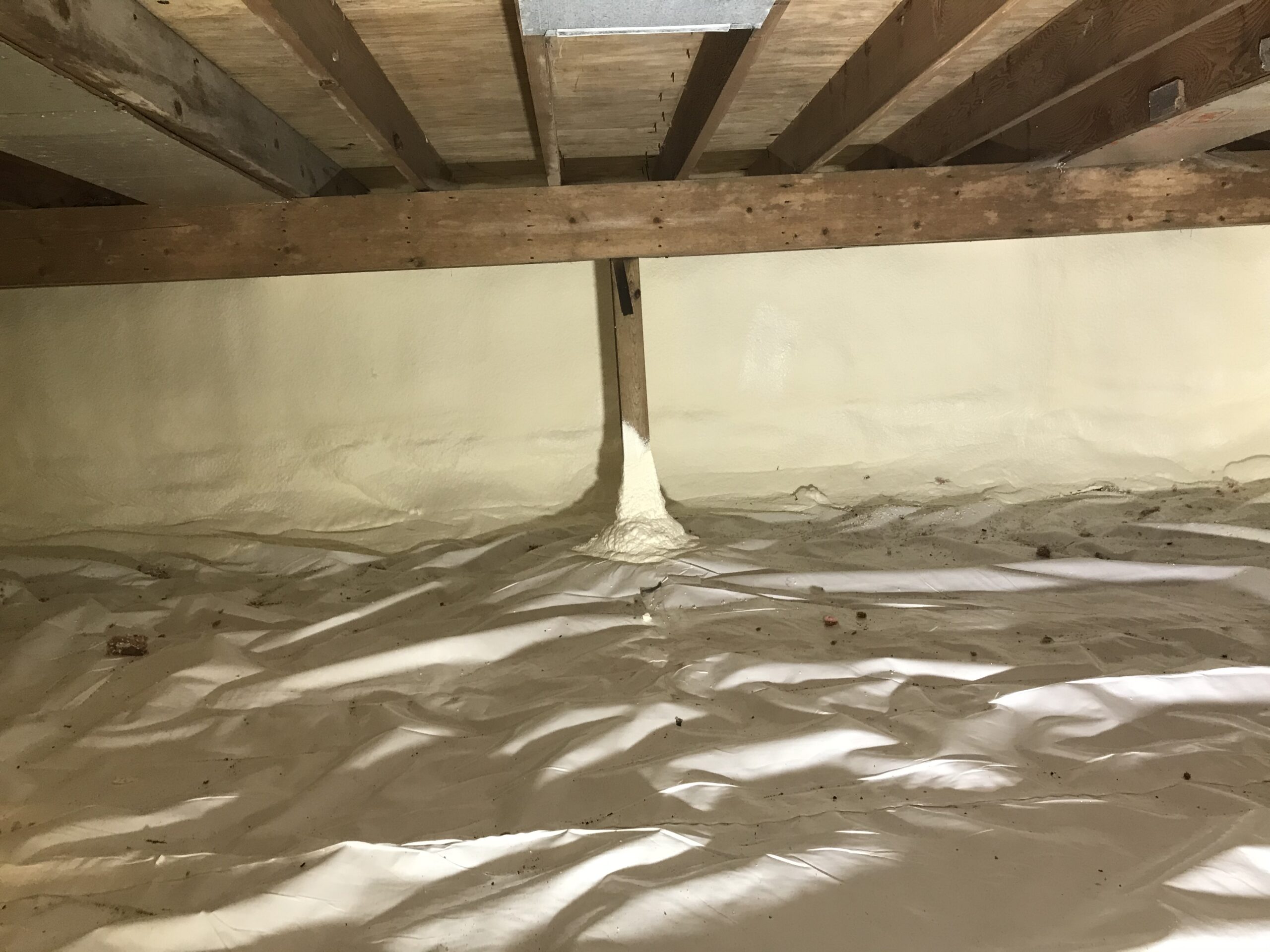
Spray foam insulation is one of the most powerful solutions available for Iowa garages. Our team offers both closed-cell and open-cell spray foam options to match your specific needs and budget. Closed-cell foam delivers superior heat loss reduction, making it ideal for Iowa’s harsh winters. Open-cell foam is a more budget-friendly choice that still performs well.
Standard insulation performance metrics show that closed-cell foam delivers an R-value of 6 to 7 per inch, while open-cell foam comes in at around 3.5 to 3.7 per inch. That difference in thermal resistance directly affects how well your garage temperature stabilizes and how quickly the upgrade pays off. We apply spray foam directly to your garage walls, ceiling, and around door frames.
The material expands to fill every gap and crack, creating an airtight seal that stops drafts before they start. Our spray foam installation process takes just one or two days, depending on your garage size. Once applied, the foam hardens into a durable barrier that lasts for decades without settling or losing effectiveness.
Many clients notice the difference right away; their garages stay warmer in winter and cooler in summer. We also offer blown-in fiberglass and attic upgrades to improve your home’s overall energy performance. Spray foam insulation is a smart investment that pays for itself through reduced heating and cooling expenses over time.
Rigid Foam Board
Rigid foam board takes a different approach from spray foam. While spray foam expands to fill cavities, rigid foam board comes in solid sheets that we cut to fit your garage walls precisely. This material delivers strong performance in Iowa’s harsh winters and humid summers. We install rigid foam board directly against your garage walls, creating a continuous thermal barrier that stops heat loss cold.
Precision Insulation & Coatings offers rigid foam board as a core insulation option for garages across Iowa. It resists moisture and holds its insulating value over decades, making it a reliable long-term investment.
Our team places these boards strategically, following building science principles to get the most out of every installation. Homeowners, property owners, and builders trust this material because it delivers consistent results in Iowa’s challenging climate.
Conclusion
Your garage works hard for you every day, and it deserves protection from Iowa’s extreme weather swings. We’ve covered the key warning signs, from temperature swings and drafts to rising energy bills and visible cracks. Any one of these signals is worth investigating. All of them together mean it’s time to move forward.
The right Iowa garage insulation solution transforms your space from a temperature problem into a stable, comfortable area that keeps energy bills in check. At Precision Insulation & Coatings, we customize every project to match Iowa’s climate and your specific goals.
Reach out for a complimentary on-site estimate today, and let’s get your garage working smarter.
FAQs
1. How do I know if my garage needs insulation in Iowa?
We tell homeowners to check for cold drafts, rising energy bills, or temperature swings in the garage. When Iowa winters drop below 20°F, an uninsulated space that feels like a freezer is a clear sign you need it.
2. What parts of my garage should I insulate first?
We always start with the garage door and walls, since that’s where most heat escapes. The ceiling matters too, especially if there’s a room above your garage.
3. Does an attached garage need more insulation than a detached one?
Yes. An attached garage shares walls with your home, so poor insulation there can increase your heating costs by 10 to 20% and hurt your indoor comfort.
4. Can I skip garage insulation if I only use it for parking?
We don’t recommend it. An uninsulated garage pulls heat from your home and forces your heating system to work harder, costing you money even if you’re just parking there.