Many homeowners make decisions about their homes based on outdated information or incorrect beliefs about insulation. These misunderstandings can lead to wasted money, reduced comfort, and higher energy bills throughout the year. Common myths about home insulation range from believing it only matters in cold climates to thinking all insulation types perform the same way, but understanding the truth helps us make better choices for our homes.
We’ve gathered the most widespread misconceptions that affect how people approach insulation in their homes. From installation myths that lead to poor decisions to false beliefs about how insulation performs over time, these errors can cost hundreds of dollars in wasted energy.
In this article, we’ll address the facts behind these myths and explain what homeowners really need to know. We’ll cover everything from installation practices to performance expectations and maintenance requirements, giving you the knowledge to make informed decisions about your home’s insulation needs.
Debunking the Most Common Home Insulation Myths
Many homeowners make costly decisions based on incorrect information about insulation. Understanding the truth behind these widespread misconceptions helps you save money and improve your home’s energy efficiency.
Myth: More Insulation Is Always Better
Adding more insulation doesn’t always lead to better results. Every home has an optimal insulation level based on climate, construction, and existing materials. Beyond a certain point, additional insulation provides minimal energy savings. The law of diminishing returns applies here. For example, going from R-30 to R-38 in your attic makes sense in cold climates, but jumping to R-60 might only save a few dollars per year.
Key factors to consider:
- Your climate zone’s recommended R-values
- Current insulation levels
- Cost versus actual energy savings
- Proper ventilation requirements
Over-insulating can actually create problems. Excessive insulation without proper ventilation traps moisture inside walls and attics. This leads to mold growth, wood rot, and structural damage over time.
We recommend consulting energy efficiency guidelines for your specific region. A professional energy audit identifies exactly where your home needs insulation improvements rather than simply adding more everywhere.
Myth: Insulation Only Matters in Cold Climates
Proper insulation works year-round, keeping homes cool in summer and warm in winter. This myth causes homeowners in warm climates to skip insulation upgrades entirely. Insulation slows heat transfer in both directions. During hot months, it prevents outdoor heat from entering your home.
Your air conditioning system runs less frequently, which lowers electricity bills significantly. Homes in southern states actually benefit greatly from adequate attic insulation. Without it, summer heat radiates down through ceilings, making living spaces uncomfortably warm. The attic itself can reach temperatures above 150°F on hot days.
Even moderate climates experience temperature swings throughout the year. Insulation maintains consistent indoor temperatures regardless of outside conditions. This improves comfort levels and reduces strain on heating and cooling systems.
Myth: All Insulation Materials Perform the Same
Different insulation materials have distinct properties, costs, and applications. Choosing the right material depends on your specific needs and installation location.
Common insulation types and their characteristics:
Material | R-Value per Inch | Best Uses | Key Benefits |
Fiberglass batts | 2.9-3.8 | Walls, attics | Affordable, DIY-friendly |
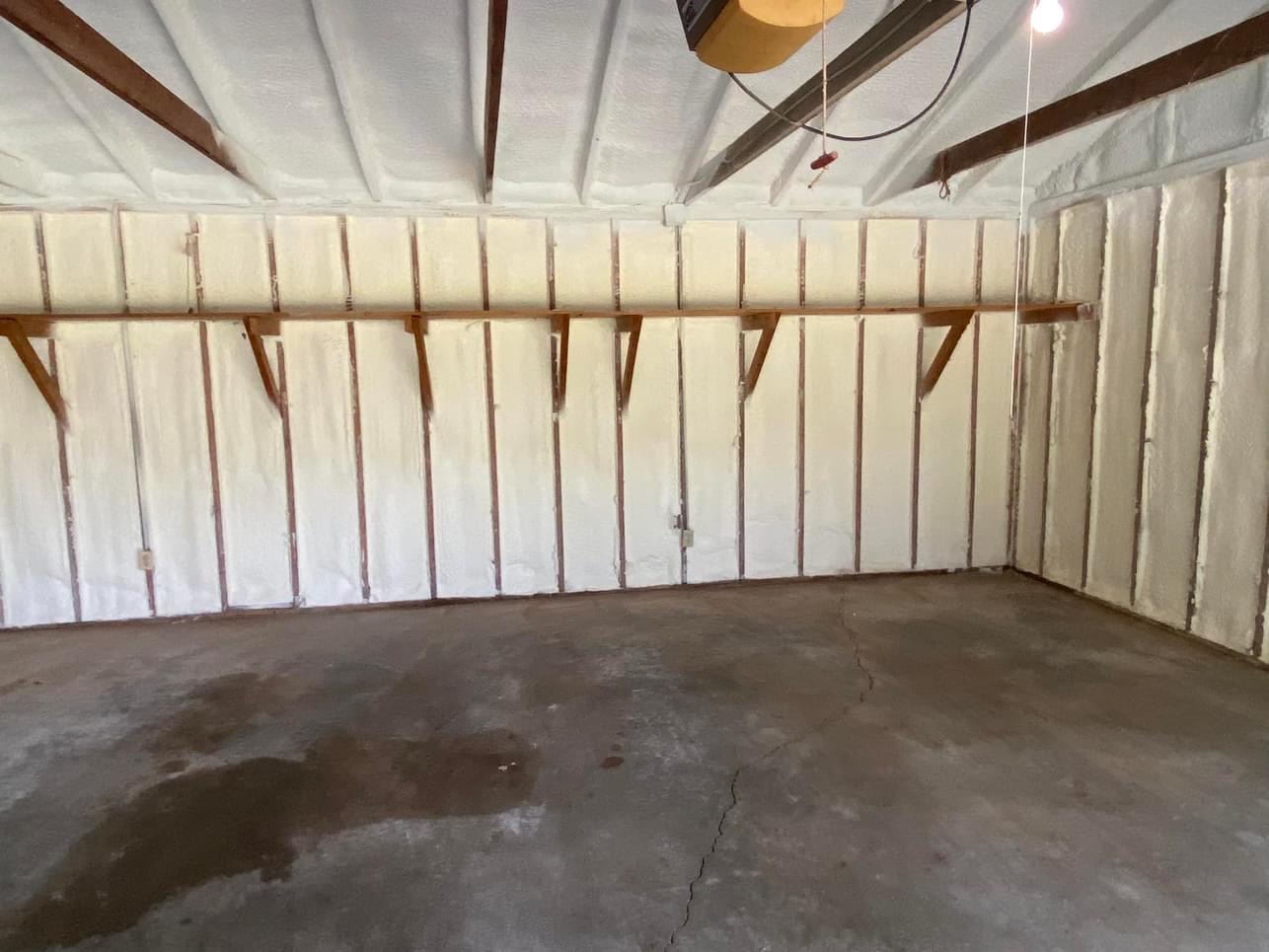
Spray foam | 3.6-6.5 | Tight spaces, air sealing | High R-value, moisture barrier |
Cellulose | 3.2-3.8 | Attics, existing walls | Eco-friendly, fire-resistant |
Rigid foam | 4.0-6.5 | Basements, exterior walls | Moisture-resistant, durable |
Spray foam costs more upfront but provides superior air sealing. Fiberglass batts work well for standard wall cavities but leave gaps if poorly installed. Cellulose settles over time and requires professional equipment for proper installation.
We consider factors like moisture resistance, fire safety ratings, and environmental impact when selecting materials. The right choice depends on your budget, installation area, and long-term goals.
Myth: Older Homes Cannot Be Properly Insulated
Older homes can achieve significant energy efficiency improvements through modern insulation techniques. This myth prevents many homeowners from pursuing valuable upgrades.
Effective methods for insulating older homes:
- Blown-in insulation fills wall cavities through small holes
- Spray foam seals gaps around windows, doors, and foundations
- Rigid foam boards insulate basement walls and crawl spaces
- Attic insulation adds layers over existing materials
Historic homes require careful planning to maintain structural integrity and character. We work around existing features like plaster walls, wood siding, and original trim. Many insulation methods don’t require removing walls or causing major disruptions.
Older homes often lack vapor barriers and proper ventilation. Professional installers address these issues during the insulation process. They ensure moisture can escape while preventing air leaks.
The energy savings in older homes often exceed those in newer construction. Many pre-1950s homes have little to no insulation, so any improvement creates dramatic results. Reduced drafts and more stable temperatures make these homes significantly more comfortable.
Misconceptions About Insulation Installation
Installing insulation correctly makes a big difference in how well it works. Many people believe they can skip important steps or handle complex installations on their own, but these choices often lead to problems that reduce energy efficiency and cost more money to fix later.
Myth: DIY Installation Is Always Sufficient
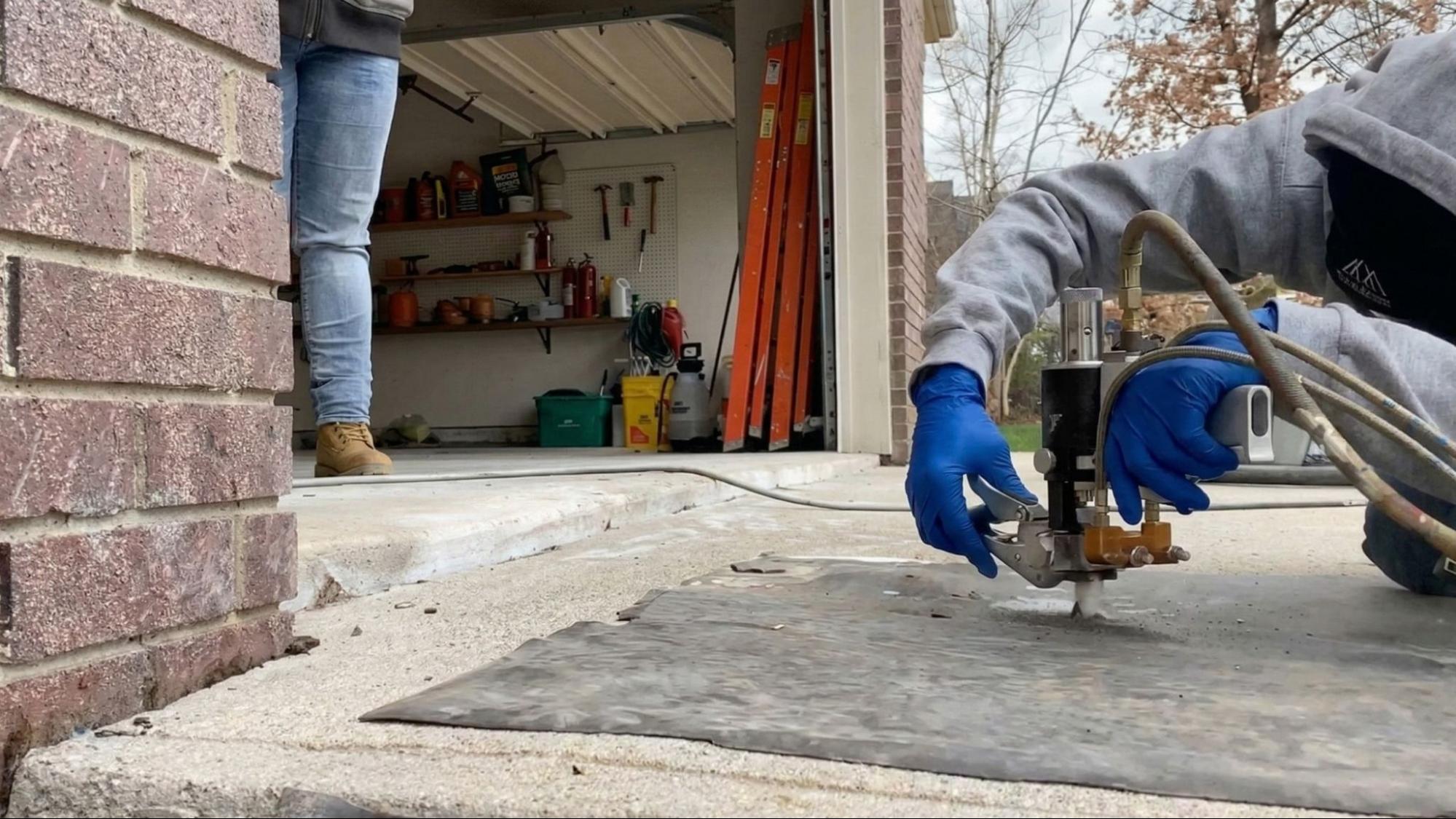
Some insulation projects work well as DIY tasks, but many installations need professional help. Spray foam insulation requires special equipment and training to apply correctly. If you spray it unevenly or at the wrong temperature, it won’t expand properly and will leave gaps.
Blown-in insulation also needs professional tools to distribute the material evenly. Without proper equipment, you can create thin spots that let air through. Professional installation ensures you get the right R-value for your climate zone. Installers know how to work around electrical wiring, plumbing, and ventilation systems safely. They also understand building codes in your area.
Following manufacturer guidelines during installation helps your insulation work at its best level. We recommend hiring professionals for attics, walls, and crawl spaces where mistakes are hard to fix later.
Myth: Insulation Can Be Added Anywhere Without Preparation
You cannot just stuff insulation into any space and expect it to work. The area needs proper preparation first. Moisture problems must be fixed before adding insulation, or you will trap water inside your walls and create mold. Air leaks need to be sealed before insulation goes in. If you skip this step, air will flow around the insulation and waste energy.
Old or damaged insulation should be removed in many cases. Adding new insulation on top of wet or moldy material spreads the problem. Electrical boxes, recessed lights, and chimneys need special clearances for fire safety. Insulation placed too close to these items creates hazards.
Ventilation must be maintained in attics and crawl spaces. Blocking vents with insulation causes moisture buildup and roof damage.
Myth: Vapor Barriers Are Not Necessary
Vapor barriers control moisture movement through walls and ceilings. In cold climates, we place vapor barriers on the warm side of insulation to stop humid indoor air from reaching cold surfaces where it would condense. Not every wall needs a vapor barrier. Some insulation types, like spray foam, act as their own vapor barrier.
Using too many vapor barriers can trap moisture between layers. The location of vapor barriers depends on your climate. In hot, humid areas, vapor barriers go on the outside of buildings. In cold areas, they go on the inside. Using them incorrectly causes more moisture problems than having none at all.
Kraft-faced insulation has a built-in vapor retarder that works for many applications. Unfaced insulation may need a separate polyethylene sheet. We check local building codes to see what your area requires.
Erroneous Beliefs About Insulation Performance
Insulation performance depends on multiple factors that work together, not just one single feature. Many homeowners misunderstand how insulation actually functions in different conditions and what it can and cannot do.
Myth: Insulation Works the Same Year-Round
Insulation provides benefits in both hot and cold weather, though many people think it only matters in winter. In summer months, insulation blocks heat from entering your home through walls, attics, and ceilings. This keeps indoor spaces cooler and reduces air conditioning costs.
During winter, insulation prevents heated air from escaping through building materials. The same barrier that keeps heat out in summer keeps it in during cold months.
Insulation is equally important in the summer, especially in hot climates where cooling costs can exceed heating expenses. The material works by slowing heat transfer in both directions, not just one. Without proper insulation, homes can lose up to 30% of their heating and cooling energy through walls and roofs.
Myth: Insulation Stops Air Leaks Completely
We need to understand that insulation and air sealing are two different things. Insulation slows heat transfer through materials, but it doesn’t block air movement through gaps and cracks. Air can still flow around electrical outlets, plumbing penetrations, and gaps between building components.
Key differences between insulation and air sealing:
- Insulation reduces heat conduction through solid materials
- Air sealing blocks air movement through openings and gaps
- Both are needed for maximum energy efficiency
Even homes with thick insulation can waste energy if air leaks exist. We recommend addressing air leaks with caulk, weather stripping, and foam sealant before or during insulation installation. The combination of proper insulation and air sealing provides the best results for energy savings and comfort.
Myth: R-Value Alone Determines Performance
R-value measures thermal resistance, but it doesn’t tell the whole story about insulation performance. Installation quality matters just as much as the R-value number. Poorly installed insulation with gaps or compression loses effectiveness even with a high R-value rating.
Moisture control also affects how well insulation works over time. Wet insulation loses R-value and can develop mold problems. The type of insulation material matters too, since some materials perform better in specific applications than others.
Air movement through and around insulation reduces its effectiveness regardless of R-value. We also need to consider factors like settling over time, which can create gaps in some insulation types. The climate zone and specific location in the home determine what R-value you actually need.
False Assumptions on Insulation Maintenance and Longevity
Many homeowners believe insulation is a permanent, maintenance-free component of their homes. Insulation actually requires attention over time and can be damaged by environmental factors that reduce its effectiveness.
Myth: Insulation Never Needs Replacement
We often hear people say that once insulation is installed, it lasts forever. This isn’t true. Most insulation materials have a lifespan of 15 to 25 years, depending on the type and conditions in your home.
Fiberglass insulation can compress over time, which reduces its ability to trap air and keep your home comfortable. Cellulose insulation may settle and create gaps. When insulation loses its thickness or gets damaged, it stops working as well as it should.
We need to inspect our insulation regularly to check for signs of wear. Look for compressed areas, gaps, or material that looks different from when it was installed. Water damage, pest activity, and normal aging all contribute to insulation breakdown.
Upgrading or replacing old insulation can significantly improve your home’s energy efficiency. We should consider replacement when our energy bills increase without explanation or when certain rooms feel uncomfortable despite our HVAC system running properly.
Myth: Pests and Moisture Cannot Affect Insulation
Some people assume insulation materials are immune to pests and water damage. This assumption puts homes at risk for serious problems. Rodents, insects, and other pests can nest in insulation, especially in attics and crawl spaces.
Moisture is one of the biggest threats to insulation performance. When insulation gets wet, it loses its insulating ability and can develop mold or mildew. We’ve seen fiberglass insulation become completely useless after water exposure because the material clumps together and can’t trap air effectively.
Common damage sources include:
- Roof leaks that drip onto attic insulation
- Pipe bursts or plumbing leaks in the walls
- High humidity in poorly ventilated spaces
- Rodents that chew through and nest in materials
We need to address moisture problems immediately and inspect areas where pests might enter. Different insulation types have varying characteristics when exposed to these conditions, so understanding your specific material helps protect your investment.
Conclusion
These insulation myths can drain your bank account faster than you think. We’ve seen countless Iowa homeowners fall for these costly misconceptions, from over-insulating their attics to skipping summer efficiency upgrades.
Proper insulation installation makes the difference between comfortable living and sky-high energy bills year-round. Our team at Precision Insulation & Coatings stands ready to assess your home’s specific needs and recommend the right solution for Iowa’s challenging climate.
Don’t let these myths keep burning holes in your wallet when smart insulation choices can start saving you money today.
FAQs
1. Does more insulation always mean lower energy bills?
Not always. Adding extra insulation beyond what your home needs is like wearing three winter coats in spring. You’ll spend money without seeing real savings on your heating and cooling costs.
2. Will any type of insulation work the same in my house?
Different insulation types work better in different spots around your home. Fiberglass batts might be perfect for your attic, but spray foam could be the better choice for your basement walls.
3. Can I skip air sealing if I have good insulation?
That’s like putting a warm blanket over a screen door. Air leaks will steal your heated and cooled air faster than you can say “energy bill.” Seal those gaps first, then add insulation for the best results.
4. Is thicker insulation always better than thinner options?
Thickness matters, but it’s not the whole story. The R-value tells you how well insulation actually stops heat transfer. Sometimes a thinner material with a higher R-value beats thick, cheap stuff that barely does the job.