Have you ever walked into your pole barn on a hot July morning and found moisture dripping from the metal roof onto your equipment? If you have, you already know how quickly that frustration turns into real damage.
Iowa summers are brutal for pole barns. Humidity levels regularly climb to 70% or higher, creating the perfect conditions for condensation to form on metal surfaces, wooden framing, and everything you store inside. The damage adds up fast.
At Precision Insulation & Coatings, we’ve spent years helping Iowa property owners stop this problem before it gets expensive. The right combination of pole barn insulation in Iowa, vapor barriers, and ventilation makes all the difference.
We’re going to walk you through exactly what works, so you can protect your investment before summer humidity takes its toll.
Key Takeaways
- Warm, humid air meeting cold metal surfaces creates condensation that damages equipment, causes rust, and promotes mold growth on stored materials.
- Installing spray foam insulation, vapor barriers, adequate ventilation, and dehumidifiers together creates a complete moisture control system that stops condensation before it starts.
- Proper insulation reduces temperature swings between day and night, preventing the cold spots where moisture collects and condenses on structural components.
- Controlling condensation protects equipment, prevents mold growth, and extends your pole barn’s lifespan by stopping rust, rot, and structural deterioration.
Understanding Summer Condensation in Pole Barns
Summer condensation in pole barns happens when warm, humid air meets cold surfaces inside your structure. We see this problem across Iowa every year, especially during those hot, sticky months when temperature swings between day and night create ideal conditions for moisture buildup.
Think of it this way: your pole barn acts like a giant cooler, trapping warm air that carries moisture. When that air hits a cold metal or wood surface, the moisture condenses into water droplets, just like a cold glass of iced tea sweating on a summer afternoon.
That moisture doesn’t sit there harmlessly. It settles on equipment, stored materials, and structural components, creating an environment where problems multiply fast. Iowa’s climate makes this especially challenging.
Metal building insulation plays a critical role in controlling these moisture issues because it reduces the temperature difference between indoor and outdoor air. Spray foam insulation contractors across Iowa recommend, particularly closed-cell spray foam, which effectively controls moisture while reducing heat loss at the same time.
Without the proper insulation services Iowa property owners depend on, condensation leads to rust on equipment, rot in wooden structures, and costly repairs over time. Understanding this moisture problem helps us look at the specific causes that make Iowa pole barns especially vulnerable to summer condensation.
Causes of Condensation in Iowa Pole Barns
Iowa summers push moisture into your pole barn through multiple pathways. Condensation problems develop when temperature swings, humidity spikes, and stagnant air all collide inside your structure at once.
Temperature Fluctuations
Temperature swings in Iowa pole barns create ideal conditions for condensation problems. During summer, warm outdoor air meets cool surfaces inside your structure, and moisture forms fast on metal, wood, and stored items.
According to building science studies published by the American Council for an Energy-Efficient Economy, steel and metal roofing components are approximately 400 times more thermally conductive than traditional wood framing. That’s why when the temperature outside drops in the evening, your interior metal panels cool down almost instantly, hitting the dew point far faster than a wood-framed structure ever would.
The temperature differences between day and night amplify these issues, especially in barns without proper climate control. Condensation doesn’t just appear out of nowhere; temperature swings invite it in through the back door. Proper insulation is essential to minimize these temperature differences.
Spray foam insulation works exceptionally well because it seals air leaks while regulating interior temperatures. This dual action stops warm air from escaping during cooler mornings and prevents excessive heat buildup during hot afternoons. Attic air sealing works together with insulation to reduce condensation risks significantly.
Sealing gaps and cracks prevents warm air from escaping and creating those dangerous temperature differentials that trigger moisture buildup. Spray foam insulation cost varies based on your barn’s size and scope, but the investment pays off through reduced moisture damage and an extended structural lifespan.
High Humidity Levels
Temperature swings alone don’t tell the whole story. High humidity creates the perfect storm for condensation problems in Iowa pole barns, as our region’s summers bring moisture-laden air that settles inside your structure whenever warm outdoor air meets cool interior surfaces.
That moisture doesn’t just disappear. It condenses into water droplets that cling to metal beams, stored equipment, and building materials. Humidity levels can spike during summer months, turning a dry barn into a damp environment within weeks. Without the insulation that insulation contractors in Iowa recommend for moisture control, your barn becomes a magnet for moisture accumulation.
Proper air sealing and insulation form the barrier that keeps this from happening. High humidity can feel invisible until the damage shows up. Your equipment starts rusting, hay gets moldy, and tools deteriorate faster than expected. The moisture problem grows worse in spaces with poor air circulation because stagnant air holds humidity longer.
Installing proper insulation improves indoor comfort and reduces energy bills while also controlling moisture. Addressing high humidity now prevents costly repairs later and keeps your stored items safe from water damage.
Poor Ventilation
Humidity levels spike during Iowa summers, and that’s where poor ventilation becomes your barn’s biggest problem. Stagnant air traps moisture inside the structure, setting the stage for serious condensation issues. We see this happen constantly on job sites across Iowa. When warm, humid air hits cooler surfaces like metal roofing or stored equipment, water droplets form fast.
Inadequate airflow means that moisture has nowhere to go, so it settles on every available surface. We recommend treating ventilation as a critical defense system for your pole barn. Installing ridge vents, soffit vents, or gable fans creates pathways for humid air to escape before condensation occurs.
According to standard building codes and Federal Housing Administration (FHA) guidelines for structural ventilation, proper airflow requires 1 square foot of net free ventilation area for every 300 square feet of floor space. That gives you a concrete number to check whether your current vent setup is actually sized for your barn.
- Ridge vents allow hot, moist air to escape from the peak of the roof.
- Soffit vents pull in cooler, drier air from below.
- Gable fans actively push humid air out when natural airflow isn’t enough.
- Combining vent types creates a continuous airflow path through the entire structure.
Many property owners think insulation alone will solve their condensation problems. That’s not quite right. Insulation works best when paired with solid ventilation strategies.
We’ve worked on barns where owners added spray foam insulation without improving ventilation, and condensation still plagued them. The combination of temperature balance through insulation and air circulation through ventilation gives you the strongest protection against summer moisture.
Effective Ways to Prevent Summer Condensation
There are several proven strategies that stop condensation before it damages your pole barn. Here’s a walkthrough of each one so you can choose the right solution for your Iowa property.
Install Proper Insulation
Proper insulation is your first line of defense against summer condensation in Iowa pole barns. Both spray foam insulation and blown-in fiberglass insulation create thermal barriers that reduce temperature swings inside your structure. When warm, humid air meets cold metal surfaces, condensation forms fast.
Quality insulation keeps interior temperatures more stable, so cold spots don’t develop where moisture can collect. Buildings lacking adequate insulation suffer the worst condensation problems, and we see this pattern play out across Iowa every summer. Here’s a quick look at the two most common insulation options for Iowa pole barns:
| Insulation Type | Key Benefit | Best For |
| Closed-Cell Spray Foam | Superior R-value, seals air leaks, acts as a moisture barrier | Maximum condensation control, existing barns |
| Blown-In Fiberglass | Cost-effective, solid thermal protection | Budget-conscious builds, large open spaces |
The thickness and type of insulation matter significantly for your specific climate zone. We recommend discussing your pole barn’s dimensions and current conditions during a free on-site estimate, where our professionals assess your building’s needs. Thicker insulation performs better at managing temperature fluctuations, those dramatic swings between scorching daytime heat and cooler Iowa evenings.
Your investment in proper insulation pays off well beyond condensation control. Mold and mildew growth slows dramatically when moisture levels drop inside your structure. The lifespan of your pole barn extends considerably when you protect it from the corrosive effects of constant moisture. Starting with solid insulation gives your other moisture management strategies a real chance to succeed.
Use Vapor Barriers
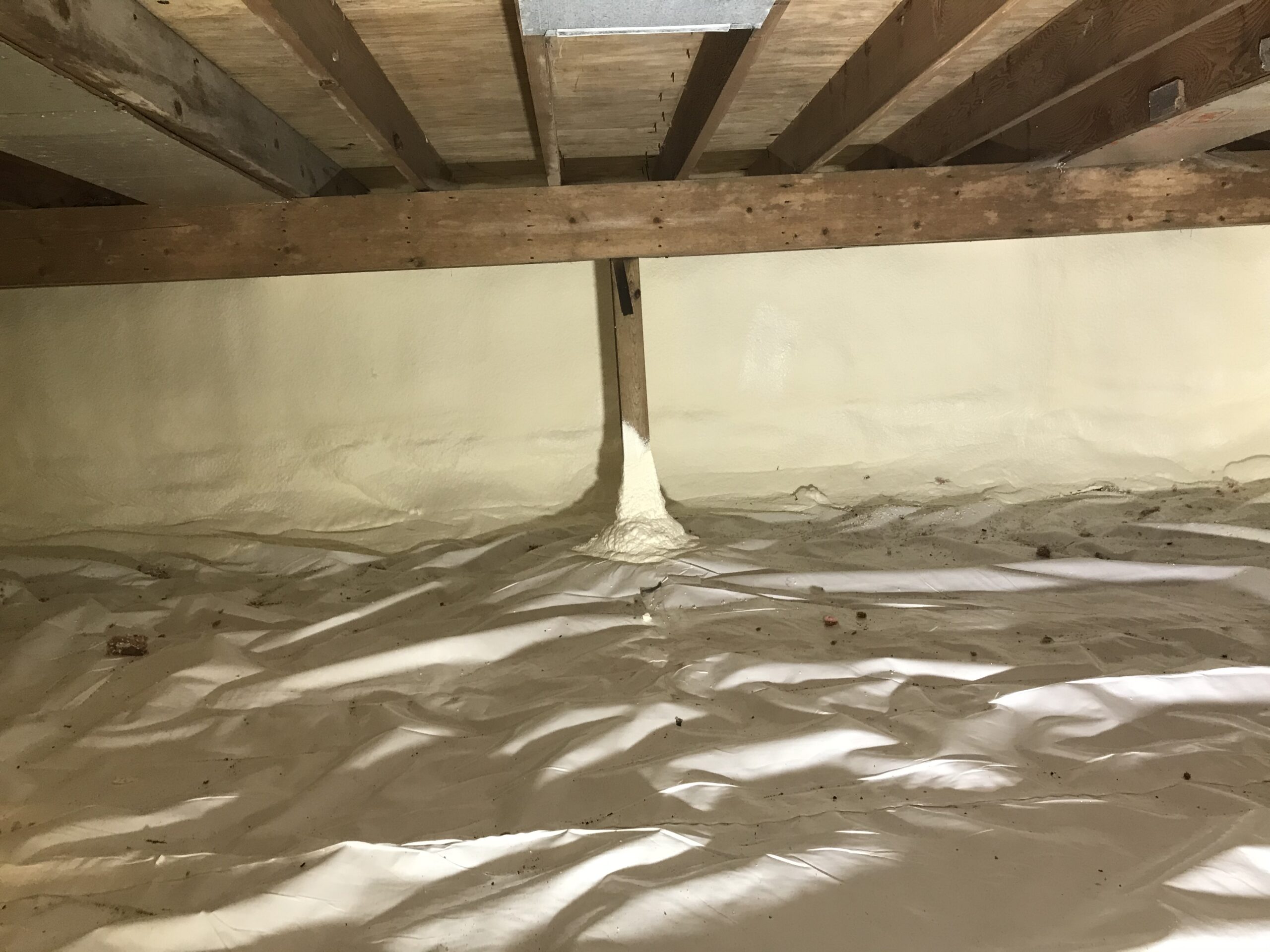
Insulation alone does not stop moisture from traveling through your pole barn’s walls and ceilings. We install vapor barriers right alongside proper insulation to create a complete moisture control system. Vapor barriers act like a shield, blocking water vapor before it reaches cold surfaces where condensation forms. Think of them as the extra layer of protection that keeps your insulation working at full strength.
We position these barriers on the warm side of your insulation, facing the interior of your barn during Iowa summers. This placement matters because warm, humid air hits the barrier first and cannot penetrate deeper into the structure. Polyethylene sheeting, kraft paper, and specialized vapor barrier paints all work for different pole barn applications.
When selecting materials, look for a Class I vapor retarder with a permeability (perm) rating of 0.1 or less, based on building science definitions from the U.S. Department of Energy. This specification matters because a semi-permeable wrap will still let summer moisture through, which defeats the purpose entirely.
We recommend vapor barriers for any pole barn dealing with moisture problems, especially in areas where equipment sits or hay gets stored. Your metal roof and wooden framing stay protected because moisture cannot accumulate on these surfaces.
Ensure Adequate Ventilation
Adequate airflow helps regulate temperature and humidity levels inside the barn, which stops condensation before it starts. Warm, moist air meets cooler surfaces and creates moisture buildup that damages equipment and materials throughout your structure.
Proper ventilation is a key part of preventing summer condensation. We recommend installing ridge vents, soffit vents, or gable vents that work together to move air through the structure. The goal is straightforward: get humid air moving out and fresh air flowing in.
Our team at Precision Insulation & Coatings specializes in solutions that enhance ventilation efficiency throughout your pole barn. Services like attic air sealing improve ventilation performance by directing airflow exactly where it needs to go. We offer free on-site insulation estimates to assess your specific ventilation needs and identify problem areas.
Add Dehumidifiers
Dehumidifiers are powerful allies in the fight against summer condensation in Iowa pole barns. Installing these devices reduces humidity levels during the hot months when moisture accumulates fastest. A quality dehumidifier pulls excess water vapor from the air, which directly tackles one of the main causes behind condensation problems.
According to indoor air quality guidelines published by the Environmental Protection Agency (EPA), maintaining indoor relative humidity between 30 and 50 percent is the ideal range to stop condensation and prevent mold growth. That gives you an exact target setting for your dehumidifier rather than guessing. This equipment works alongside proper insulation solutions to create a complete moisture control system.
The device actively improves indoor air quality by removing the excess moisture that feeds mold and mildew growth. Pairing a properly sized dehumidifier with your insulation solutions creates an environment where your equipment and materials stay protected all summer long.
Regular maintenance keeps your dehumidifier running at peak efficiency throughout the summer season. Check the unit’s filter monthly and make sure the drainage line flows freely or the collection tank gets emptied on a regular schedule.
Many property owners pair their dehumidifiers with ventilation improvements and vapor barriers for the best results. These layers of protection work together to stop condensation before it starts damaging your structure.
Benefits of Preventing Condensation
Stopping condensation in your pole barn protects everything inside from water damage and rust. Your building stays stronger, lasts longer, and keeps your stored items safe from the elements.
Protects Equipment and Materials
Your pole barn houses valuable equipment, tools, and materials that deserve real protection. Condensation creeps in during Iowa summers and attacks everything inside, from machinery to stored goods.
Moisture doesn’t discriminate between what it destroys. Your tractor, hay bales, and stored inventory all suffer from the same problem. We work with property owners across Iowa who’ve watched their equipment deteriorate because summer condensation went unchecked.
By controlling humidity levels and installing proper ventilation, you keep your belongings safe and functional for years to come. The cost of prevention is far less than replacing ruined machinery or restocking damaged materials.
Prevents Mold and Mildew Growth
Mold and mildew thrive in damp environments, and condensation creates the perfect breeding ground. We’ve seen countless Iowa pole barns suffer serious damage when moisture accumulates on walls, rafters, and stored materials.
Preventing condensation is essential for avoiding mold and mildew growth, which can compromise air quality, damage equipment, and create health hazards for anyone spending time in the structure. Left unchecked, these fungi spread quickly and become expensive to remove.
Proper insulation helps by maintaining more stable interior temperatures, which reduces the cold spots where moisture collects. When we install quality insulation solutions, we’re creating a shield that keeps warm and cold air from battling it out on your barn’s surfaces.
- Vapor barriers stop moisture from penetrating walls and ceilings
- Adequate ventilation moves humid air out before it can settle
- Dehumidifiers maintain relative humidity below the 50 percent mold threshold
- Combined, these measures remove the damp conditions that mold needs to grow
Mold spores don’t disappear on their own. They multiply and spread throughout the space. We’ve watched property owners discover mold problems months after condensation started forming, and by then, the damage runs deep. Addressing moisture problems early saves money, protects your investment, and keeps your pole barn healthy for years to come.
Extends the Lifespan of the Structure
When pole barn owners ignore summer condensation, the consequences compound fast. Moisture creeps into wood framing, metal components rust from the inside out, and structural integrity deteriorates faster than you’d expect. Proper insulation stops this damage before it starts.
Our team at Precision Insulation & Coatings has worked on countless Iowa pole barns where condensation wreaked havoc on the building’s foundation. Installing quality insulation creates a thermal barrier that minimizes the temperature swings, causing moisture buildup.
When you control condensation, you’re adding years to your structure’s life. Reduced moisture levels contribute to a healthier environment inside your pole barn, which means fewer repairs over time. Mold and rot won’t take hold when you’ve eliminated the damp conditions they need.
Your investment in insulation pays off because you’re stopping decay at its source, not patching problems after they’ve already damaged your building. Structural damage from moisture doesn’t happen overnight, but it compounds quickly once it starts. Protecting your barn now means it stands strong for decades instead of requiring costly restoration work.
Conclusion
Protecting your Iowa pole barn from summer condensation comes down to taking action before moisture causes expensive damage to your equipment and structure. Installing proper insulation, vapor barriers, and ventilation systems stops condensation at its source by controlling temperature and humidity levels inside your building.
At Precision Insulation & Coatings, our team has helped countless Iowa property owners solve condensation problems through spray foam insulation, fiberglass solutions, and air sealing services that work together as a complete system.
Your pole barn deserves protection from the moisture that threatens its longevity, and the right Iowa pole barn insulation investment pays off for years to come. Contact us today for a free on-site estimate, and let’s build a condensation-free space that keeps your valuable assets safe and dry.
FAQs
1. What causes summer condensation in an Iowa pole barn?
When warm, humid air contacts cooler surfaces inside your barn, it turns into water droplets. Iowa’s summer dew points frequently hit 65-75°F, which creates the perfect storm for condensation when your barn’s interior surfaces stay cooler overnight.
2. How do I stop condensation from damaging my pole barn?
We recommend installing closed-cell spray foam insulation with an R-value of at least R-20 on your roof and walls to keep interior surfaces above the dew point. Pairing this with ridge vents and soffit vents creates continuous airflow that pushes humid air out before it condenses.
3. Does a vapor barrier really help with pole barn moisture control?
Yes, a 6-mil polyethylene vapor barrier installed on the warm side of your insulation blocks up to 99% of moisture migration through walls and floors. We install these on nearly every pole barn project in Iowa because they stop humidity before it reaches cold surfaces where condensation forms.
4. How often should I check my pole barn for condensation damage?
We tell our clients to inspect their barns monthly during summer, focusing on metal panels, roof joints, and any wood framing for water stains or rust. Catching condensation damage early can save you thousands, since replacing rotted structural wood or corroded metal panels costs far more than a simple ventilation fix.