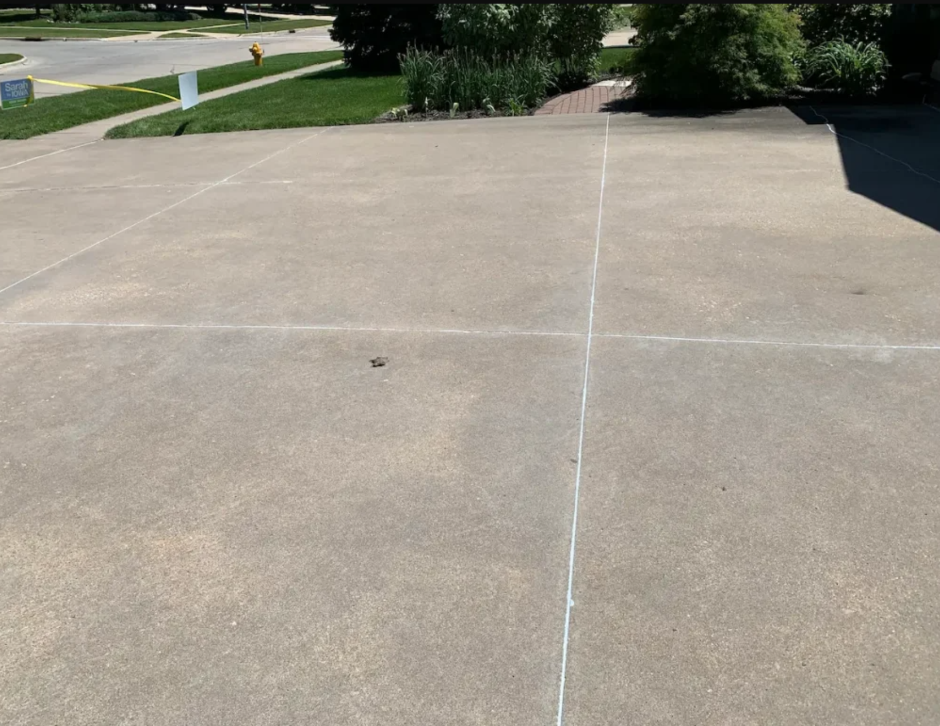
Ever wondered why your neighbor’s driveway got fixed in April, not January? Because it’s timing that is important. And it’s the main reason why homeowners start searching for concrete leveling services in Des Moines every spring. Whereas in winter, concrete surfaces can shift, sink, or become uneven.
If you perform mudjacking or polyurethane foam injection at the wrong time or under the wrong conditions, the chances of repair failure are higher. However, if you choose the right time, considering weather, soil moisture, and the root cause of the settling, it can last for a long time.
So, what is the ideal time for it? It depends on the method, the soil under your slab, and how much risk you’re willing to accept.
In this blog, we will discuss whether there is a best time for concrete leveling in Iowa. And if there is, then which time? So, let’s read it out!
Iowa’s Ground Doesn’t Sit Still
Do you know an interesting fact? Iowa’s soil moves! Yes, in reality, but without letting anyone know. Clay-heavy ground swells when wet and shrinks when dry. This constant shift is why slabs sink, tilt, and crack.
The timing mainly depends upon the following factors:
- Frost depth, which can reach several feet during a hard Iowa winter
- Soil saturation after snowmelt, when clay sits heaviest and least stable
- Ground temperature, since both foam and cement need workable conditions
- Drainage patterns around the slab, which shift noticeably with the seasons
- Contractor demand, since spring and fall calendars book up fast
These factors are different, and the single question that arises from them is: When is the ground stable enough to actually hold a repair? This is the reason why concrete leveling companies treat scheduling like a science instead of a formality.
Generally, frost retreats from Iowa’s subgrade by late April or May. But before that, quality work becomes extremely difficult due to hard ground and leftover ice. When the frost leaves, the soil stabilizes fast.
Foam concrete leveling crews actually have more flexibility than traditional mudjacking teams. Polyurethane cures quickly and can handle moderately cold conditions, allowing contractors to complete their work on more days of the year.
Picking Your Window: A Season-by-Season Breakdown
Late Spring (April–June)
This is prime time. Frost is gone, soil is drying out, and ground conditions turn predictable fast. Rain shows up often in May, but that’s manageable for foam work. Polyurethane doesn’t care much about ambient moisture once it’s injected underground. Demand climbs quickly here. Booking two to three weeks ahead becomes normal once May arrives.
Summer (July–August)
Heat doesn’t bother polyurethane foam one bit. It will dry, harden, and set properly regardless of whether it is applied during the peak of summer (July) or cooler days of autumn (October). Mudjacking crews sometimes adjust their mix on the hottest days. In summer, people spend more time outside; that’s why it is easy to spot cracks in this season.
Early Fall (September–October)
Contractors call early fall the sweet spot for outdoor projects. During this time, the ground moisture is balanced. It is neither baked dry by summer heat nor oversaturated by winter rain or snow. Temperatures remain mild and workable.
Winter (November–March)
Mudjacking mostly pauses here. Frozen ground and deep frost make traditional methods impractical for most crews. Foam injection, though, keeps working through milder winter stretches. It is a real advantage if you can’t wait for the spring.
Concrete leveling crews using polyurethane can often still take winter jobs. And it’s especially true indoors, or in heated spaces like warehouses and shop floors. If your project involves an outdoor environment, delay it irrespective of the material you are using.
Where Homeowners Go Wrong With Scheduling
Generally, people make mistakes unknowingly. They think that it is because of the improper material that their project fails, but that’s not true. It’s because of the wrong timing at which they started the project. The following mistakes are commonly made by them:
- Waiting until a slab is dangerously uneven before calling anyone
- Booking during peak season without checking contractor availability first
- Assuming every repair method handles cold weather the same way
- Ignoring drainage issues that will undo the leveling work later
- Skipping a site evaluation that would’ve caught a bigger soil problem
You have no idea that these simple-looking issues can turn a minor thing into a bigger, pricier project. Take drainage as an example. A crew can lift and stabilize a slab perfectly well. But if water keeps pooling in the same spot, the issue persists. Instead, choose a concrete leveling contractor who checks soil, drainage, and slab history and makes the work easier.
There’s also a scheduling trap specific to this state. In spring, everyone wants their work done, and this leads to chaos. To escape this situation, one should book early appointments.
And one more thing people miss: leveling issues near a garage or foundation frequently go hand in hand with insulation gaps. A settling slab and a poorly insulated wall cavity are most likely to be seen together in the same building.
Why Insulation Crews Show Up on the Same Job
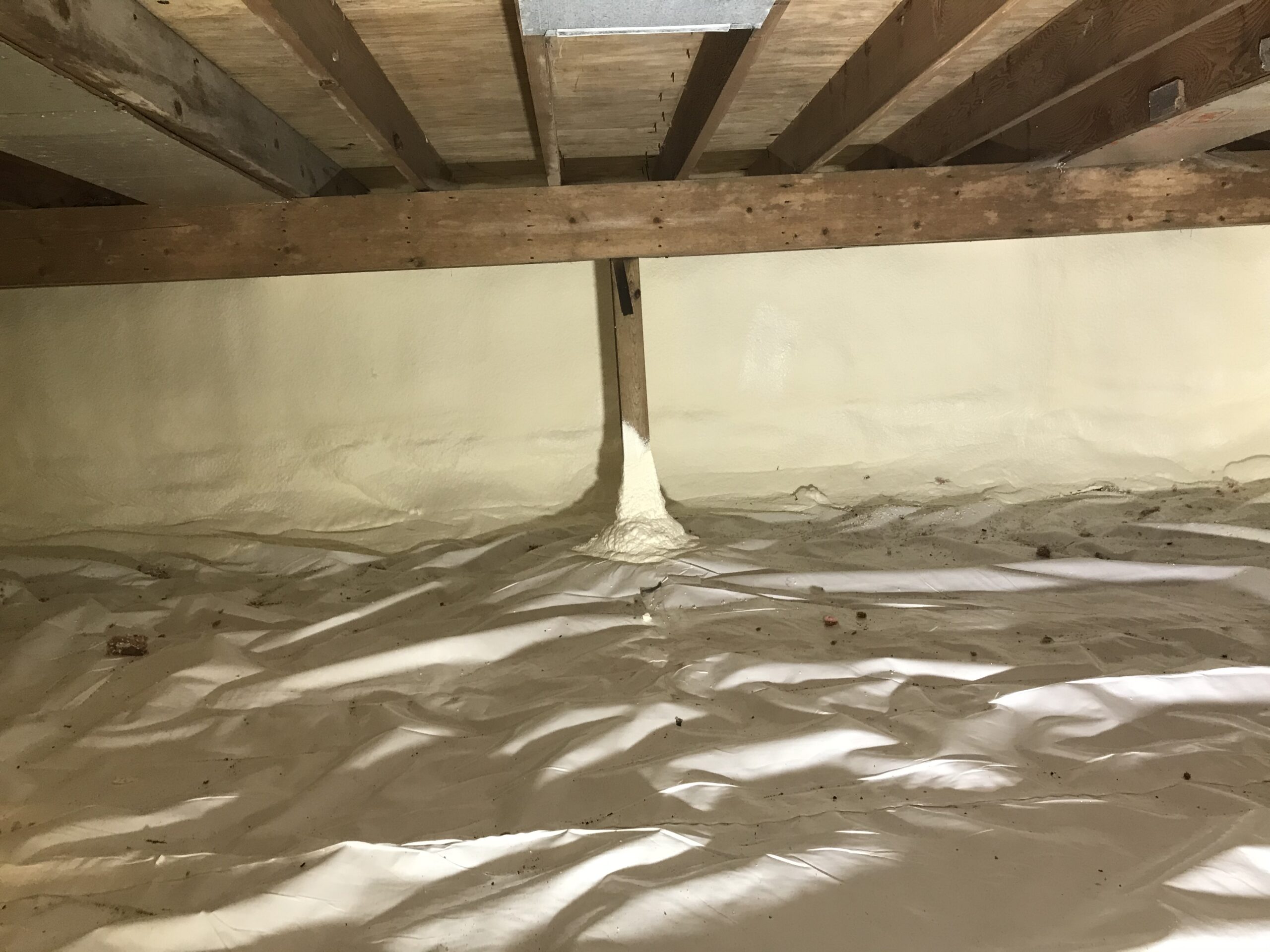
Concrete and insulation problems often share a root cause. Cold air finds gaps. So does moisture. Both tend to collect in the same weak points around a foundation or garage slab. That’s why house insulation contractors and concrete crews frequently end up working the same properties. A homeowner calls about a sinking driveway and discovers the garage has been leaking heat for years.
Garage insulation contractors homeowners hire often find sloped, cracked floors sitting next to bare, uninsulated walls. Fixing one without the other leaves half the problem standing.
This problem is faced economically. Commercial insulation services are often combined with concrete leveling on warehouse floors. This is because settled or uneven concrete slabs severely damage a building’s thermal envelope and vapor barrier.
New construction spray foam insulation has grown more common due to this specific reason. If you get the right insulation, you will avoid the retrofit headaches that are primarily seen in older buildings. Hire a good spray foam contractor for your new construction to get rid of all these problems.
One thing you can do to save both our time and money is to consult a spray foam insulation company. They can point out these types of issues during an examination. And they can handle moisture and insulation concerns as well.
Garage insulation contractors in Iowa handle this combination very commonly. House insulation upgrades combined with a leveled floor also make a garage genuinely usable year-round.
The Real Takeaway: Timing Saves Money
Picking the right season isn’t about superstition. It’s about giving materials the conditions they need to actually work correctly. Late spring through early fall remains the safest bet for most projects. Foam concrete leveling crews in Iowa still have more flexibility than mudjacking teams.
If your slab is sinking now, don’t wait for a “perfect” month that may never come. With time, the situation will only get worse. Concrete leveling in Des Moines, Iowa: property owners’ trust doesn’t just mean the season. It refers to the detection of problems as early as possible.
At Precision Insulation and Coatings, we have helped countless homeowners in finding out the R-value of their properties. Reach out to us to schedule a free on-site estimate. Let’s get your home properly insulated the safe way.
Frequently Asked Questions
Q1. Is spring really the busiest season for concrete leveling in Iowa?
Yes, by a wide margin. Once frost clears in April or May, demand rises fast across the state. Homeowners who noticed winter damage tend to book right away, so calling a few weeks early usually avoids the longest wait times.
Q2. Can foam leveling work in freezing temperatures?
Often, yes. Polyurethane foam cures quickly and tolerates moderate cold far better than cement-based mudjacking does. That makes it a practical option for indoor jobs or heated spaces during Iowa’s coldest winter months.
Q3. Does fixing drainage matter as much as the leveling itself?
Absolutely, and sometimes more. Leveling without correcting drainage often means the void returns within a few seasons, since water is usually what caused the original settlement. Fixing both together protects the investment.
Q4. Should insulation be checked during a concrete leveling visit?
It’s worth asking about. Garages and foundations with settling slabs frequently have nearby insulation gaps that go unnoticed for years. Addressing both problems during one visit saves scheduling hassle, plus time and money.
Q5. How long does a foam leveling repair typically last?
With drainage corrected, polyurethane foam commonly holds for eight to ten years or longer in Iowa’s climate. Its closed-cell structure resists moisture absorption and isn’t damaged by repeated freeze-thaw cycling season after season.