Does your heating bill keep climbing every winter, no matter what you try?
We hear this from Des Moines homeowners constantly. At Precision Insulation & Coatings, we’ve helped hundreds of families face this exact problem, and the root cause is almost always the same: poor insulation wasting about 30% of the heat energy in their homes.
Understanding what problems can a spray foam contractor fix is the first step toward real comfort and real savings. The answer covers more ground than most people expect.
Stick around, and we’ll walk you through every issue we tackle in Des Moines homes. You might be surprised at how much a great spray foam solution can do for you.
Key Takeaways
- Spray foam insulation reduces energy bills by sealing air leaks that fiberglass misses, stopping heat loss in walls, attics, and crawl spaces.
- Closed-cell spray foam prevents moisture infiltration and mold growth by creating an airtight seal that stops water vapor from entering homes.
- Spray foam reinforces structural integrity by expanding and hardening into a rigid shell that strengthens walls, roofs, and resists wind pressure.
- Spray foam blocks pest infiltration by filling every gap and crack, preventing rodents and insects from entering through exterior openings.
- Spray foam insulation reaches hard-to-reach spaces like attic corners, rim joists, cathedral ceilings, and crawl spaces that traditional materials cannot access.
Common Problems a Spray Foam Contractor Can Fix in Des Moines Homes
Des Moines homeowners face insulation problems that drain their wallets and make daily comfort a real challenge. Spray foam insulation contractors fix these issues at the root, stopping energy waste before it starts.
Poor Energy Efficiency and High Utility Bills
High utility bills are one of the most common frustrations we hear from Des Moines homeowners. Inadequate insulation sits at the root of the problem, and the numbers make that painfully clear. Heat escapes through walls, attics, and crawl spaces when insulation fails to do its job. Some of the most common areas where conditioned air disappears include:
- Attic floors and roof decking
- Exterior wall cavities and framing gaps
- Crawl spaces and basement rim joists
- Around pipe and wire penetrations
Your furnace works overtime in winter, running constantly to replace lost warmth. Air conditioning systems strain just as hard in summer, trying to hold cool temperatures inside. The result is energy bills that climb higher every year. According to the National Energy Assistance Directors Association’s (NEADA) 2026 winter outlook and current IRS tax credit guidelines, Midwest electricity heating costs are projected to rise by 14.4% in 2026.
For Iowa families already stretched thin, that’s a serious financial hit. Here’s the good news: the 30% Federal Energy Efficient Home Improvement Credit covers up to $1,200 annually through 2032, which can offset a significant portion of your spray foam insulation cost. Our team at Precision Insulation & Coatings has installed residential spray foam insulation in Iowa for years, and the results consistently speak for themselves.
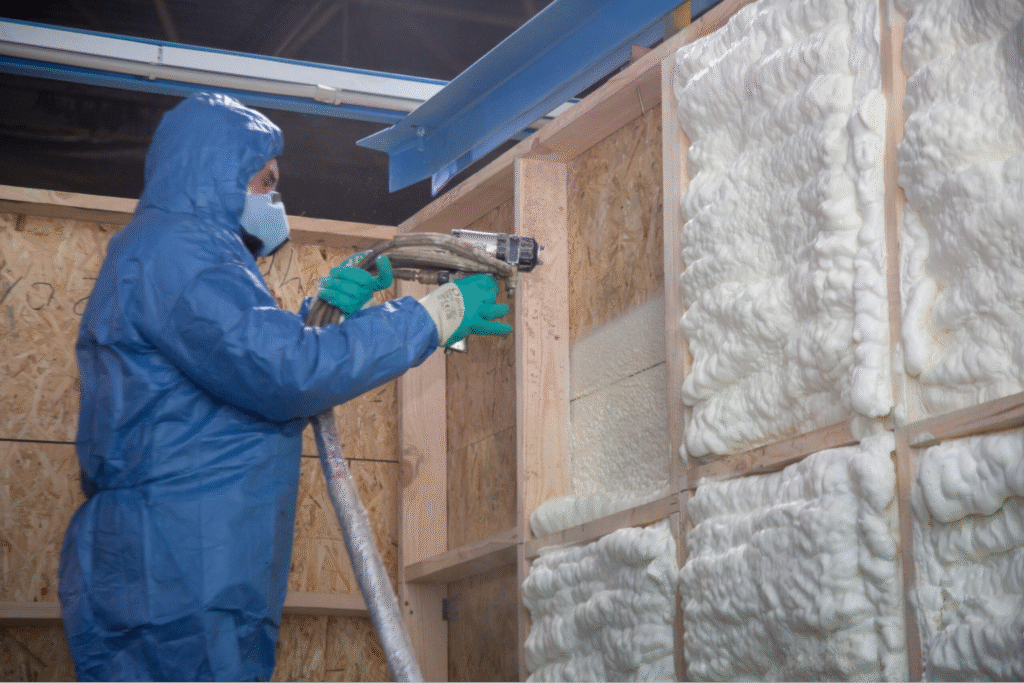
Unlike older insulation methods, spray foam expands to fill every crack and crevice, stopping drafts completely. Homeowners report noticing warmer winters and cooler summers almost immediately after installation. That improved comfort comes with real savings on monthly energy statements, making it a win for both your family and your wallet.
Air Leakage and Drafts
High utility bills often point to a deeper problem hiding in your home’s envelope. Air leakage sneaks through cracks, gaps, and poorly sealed spaces, forcing your heating and cooling systems to work overtime. According to data from the U.S. Department of Energy and the EPA’s ENERGY STAR program, air leaks account for 25% to 40% of a home’s total heating and cooling energy loss.
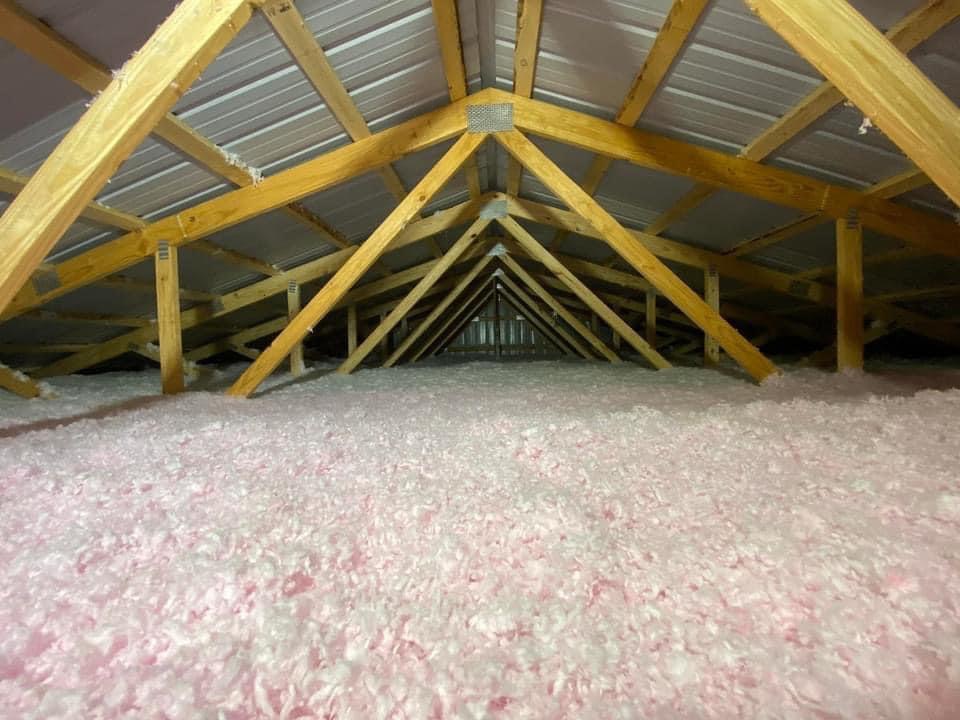
Properly air sealing your attic alone can save an average of 15% on those bills. That’s real money staying in your pocket rather than escaping through the gaps. We address this issue head-on with spray foam that seals the gaps energy-efficient windows cannot reach. Both closed-cell and open-cell spray foam insulation help eliminate drafts by creating an airtight barrier throughout your home. Some of the most common spots where air leaks develop in Des Moines homes include:
- Attic hatches and pull-down stair openings
- Wall outlets and switch plates on exterior walls
- Gaps around pipe, wire, and HVAC penetrations
- Basement rim joists and sill plates along the foundation
Drafts create cold spots in winter and hot zones in summer, making rooms feel uneven and uncomfortable. We’ve seen homeowners waste thousands of dollars heating or cooling spaces that leak conditioned air like a sieve. Attic air sealing forms the backbone of our approach, since warm air rises and escapes through your roof first. Our insulation retrofits to existing homes improve air sealing without requiring a complete renovation.
Spray foam insulation transforms homes by stopping air leakage at its source, not just covering it up. Our contractors seal attic spaces, wall cavities, and foundation areas where drafts typically originate. Homeowners notice the difference right away, enjoying more consistent temperatures and lower energy bills.
We provide free on-site estimates so you understand exactly where air leakage occurs in your specific home.
Moisture and Mold Issues
Moisture and mold problems creep into Des Moines homes through cracks, gaps, and poorly performing insulation. We see this on job sites constantly. Excess moisture builds up in attics, crawl spaces, and walls, creating the perfect breeding ground for mold. Warning signs that moisture is winning the battle in your home often include:
- Musty smells coming from your attic or crawl space
- Condensation forming on interior walls or windows
- Visible discoloration or mold spots on framing
- Peeling paint or bubbling wallpaper near exterior walls
Closed-cell spray foam insulation prevents moisture infiltration by creating an airtight seal that stops water vapor from entering your home entirely. This material also reduces heat loss, which directly lowers the risk of moisture buildup in vulnerable areas. The solution often comes down to sealing air leaks that let humid air penetrate walls and attics.
Closed-cell spray foam acts as a protective barrier, stopping moisture before it causes structural damage or health concerns. Our roof coating services in Des Moines complement spray foam applications, adding another layer of defense against water intrusion. We don’t just apply insulation and walk away. We make sure your home stays dry, comfortable, and free from mold threats year-round.
Our free on-site insulation estimates identify exactly where moisture and mold problems originate in your home, so we can address them with precision.
Structural Benefits Addressed with Spray Foam Insulation
Beyond keeping your home warm and dry, spray foam insulation does something most homeowners don’t expect. It actually makes your house stronger. We reinforce walls and roofs while also blocking the pests that try to sneak inside.
Strengthening Walls and Roofs
Spray foam insulation does far more than keep your home warm. We apply closed-cell and open-cell spray foam to reinforce the structural integrity of walls and roofs throughout Des Moines homes.
The foam expands and hardens, creating a rigid shell that adds real strength to your building envelope. This structural reinforcement means your walls resist wind pressure better, your roof handles snow loads more effectively, and your entire home becomes more resilient.
Based on structural testing conducted by the National Association of Home Builders (NAHB) Research Center, closed-cell spray foam can increase a wall’s racking strength by up to 300% compared to traditionally insulated or uninsulated walls. In Iowa, where severe storms are a regular part of life, that kind of structural upgrade truly matters. The structural improvements span your entire building envelope:
- Walls gain resistance to shear forces and high-wind pressure.
- Roof decking bonds with framing to handle heavy snow loads.
- Foundation connections get reinforced at sill plates and rim joists.
- The full thermal envelope becomes more rigid and solid.
The foam bonds directly to framing members, studs, and roof decking, essentially turning your insulation into a structural component. We’ve seen homes weather severe storms with minimal damage after spray foam installation. Strong walls and roofs start with proper insulation that does double duty, protecting your home and your investment.
Moisture infiltration causes wood rot and mold growth, both of which weaken structural components over time. Our closed-cell spray foam acts as a moisture barrier, protecting your framing from water damage and decay. Homeowners tell us they sleep better knowing their roof won’t sag or their walls won’t buckle from unexpected pressure.
We offer free on-site insulation estimates to assess strengthening opportunities specific to your property. Our Spray Foam Insulation Contractor Des Moines team evaluates your current conditions, identifies weak points, and recommends the right solution for your home.
Preventing Pest Infiltration
Strong walls and roofs do more than hold your house together. They keep unwanted visitors out. Rodents, insects, and other pests search for tiny gaps and cracks to slip through your home’s exterior, and those openings are more common than most homeowners realize.
Closed-cell spray foam creates a sealed barrier that stops pests cold. This material fills every gap and crack, leaving no entry points for insects or rodents. Types of pests that spray foam helps keep out of Des Moines homes include:
- Field mice and other rodents are looking for warm shelter.
- Carpenter ants and wood-boring insects.
- Wasps and hornets that nest in wall cavities.
- Cockroaches and other gap-dwelling insects.
Open-cell spray foam offers some resistance to pests as well, though it does not seal quite as tightly. Either option beats traditional insulation, which leaves gaps that give pests easy access. We apply spray foam in both new construction and existing homes to prevent pest infiltration.
Our retrofit projects show real results. Homeowners report fewer rodent sightings and insect problems after the work is done. We combine our spray foam expertise with roof coating services in Des Moines to add another layer of defense against pest access and water intrusion. This two-pronged approach protects your investment from multiple threats at once.
Specialized Solutions for Unique Home Issues
Every home in Des Moines has its own quirks and challenges. We tackle the tricky spots that other contractors skip over, from cramped crawl spaces to oddly shaped attic corners where standard insulation just won’t fit right.
Insulating Hard-to-Reach Spaces
Spray foam reaches places that traditional insulation materials simply cannot. We tackle the tough spots in Des Moines homes that leave other contractors scratching their heads. Above the living space, spray foam makes a significant difference in these areas:
- Attic corners and tight junctions get sealed completely with closed-cell spray foam, stopping the air leaks that drive utility bills up.
- Cathedral ceilings present real challenges for standard insulation, but spray foam conforms to irregular angles and slopes without leaving gaps.
- Knee walls in finished attics get properly insulated, protecting the living space above from temperature swings.
- Rim joists around your home’s perimeter receive spray foam treatment, eliminating drafts from these commonly overlooked spots.
- Band boards between floors get sealed as well, closing off the thermal envelope where many homes lose significant energy.
Below ground and around your home’s structural frame, spray foam handles the areas that other materials consistently miss:
- Crawl spaces under homes benefit from spray foam application, which creates a thermal barrier and prevents moisture from settling in those dark, damp areas.
- Basement rim joists and sill plates benefit from spray foam’s ability to reach deep into foundation connections.
- Around pipes, wires, and HVAC ducts, spray foam fills every crevice without disturbing existing systems.
- Cantilever sections extending beyond your home’s main walls get sealed, stopping cold air infiltration in those protruding areas.
Spray foam insulation retrofits work perfectly for existing homes, letting us access and seal problem areas without major construction disruption.
Soundproofing Specific Areas
Noise travels through walls, ceilings, and floors in ways that frustrate homeowners every day. We’ve seen families in Des Moines struggle with sound from traffic, neighbors, and even other rooms in their own home. Closed-cell spray foam tackles this problem by filling every gap and void in your walls. The dense material absorbs sound waves before they penetrate living spaces.
Acoustical testing shows that spray foam insulation generally achieves a Sound Transmission Class (STC) rating of 37 to 39, which is sufficient to muffle loud household speech and standard neighborhood noise. That’s a meaningful, measurable improvement over untreated walls. We apply the foam to interior walls, basement ceilings, and shared boundaries where noise causes the most frustration. Spaces in Des Moines homes that benefit most from this treatment include:
- Home offices and remote work areas that need quiet focus time.
- Nurseries and children’s bedrooms where sleep matters.
- Media rooms and home theaters with shared walls.
- Basements and bonus rooms near high-traffic areas.
Sound control matters more than ever in modern homes. Spray foam contractors seal the air pockets that allow noise to slip through, with the expansion process leaving no pathway for sound transmission. You get better insulation, air sealing, and noise reduction in a single application. This efficiency saves time and money compared to installing separate soundproofing materials.
We’ve installed foam in basements to muffle entertainment systems, in nurseries to protect sleeping babies, and in workshop areas to contain machinery noise. Des Moines property owners consistently report higher satisfaction and increased home value after these improvements.
Conclusion
From energy bills that make homeowners cringe to drafts that sneak through walls, we fix the real problems that plague Des Moines homes every single day. Our spray foam solutions address heat loss, air leakage, moisture damage, pest infiltration, and structural weakness. The results are ones homeowners can feel and see on their utility statements.
Whether we’re sealing attics, insulating crawl spaces, or protecting new additions, we apply building science principles to create lasting thermal barriers throughout your home. Closed-cell and open-cell spray foam options give us the flexibility to match your specific needs and budget.
Contact Precision Insulation & Coatings today to find out exactly what problems a spray foam contractor can fix in your Des Moines home, and take the first step toward a more comfortable, efficient space where your family thrives year-round.
FAQs
1. What common home problems can a spray foam contractor fix in Des Moines?
We fix air leaks, poor insulation, and moisture problems in walls, attics, and crawl spaces. Des Moines winters are harsh, and these issues can increase your heating bills by 30% or more.
2. Can spray foam fix high energy bills in Des Moines homes?
Yes, we seal gaps and cracks that let warm air escape, and most homeowners see their energy bills drop by 15 to 30% after installation.
3. Does spray foam help with moisture and mold problems?
It does. Our closed-cell spray foam creates a strong moisture barrier that stops water from seeping into walls and crawl spaces, preventing mold before it starts.
4. Can a spray foam contractor fix noise problems in my home?
Yes, we seal gaps in walls, floors, and ceilings with spray foam, which can reduce sound transfer by 30 to 50% compared to fiberglass insulation.