When you think of Des Moines, what’s the first thing that comes to your mind? It is sure that it is not the critical need for metal roof waterproofing. However, it can be more important for anyone who has been living or running a business here. Because the local weather can be challenging at many times during the year.
Metal roofing, usually celebrated for its durability, sleek design, and energy efficiency, is increasingly becoming the choice for many in the area. Yet, while metal roofs have their merits, they are not without vulnerabilities. You cannot eliminate them, but you can minimize them by hiring a professional waterproofing roof contractor in Iowa.
In this blog, we will discuss the signs that show you need metal roof waterproofing in your building.
Iowa’s Climate Is Rougher On Roofs Than Most People Assume
If you are a building owner in Des Moines or Davenport, you will be aware of the fact that temperature fluctuations occur throughout the season. Summer heat pushes membrane surfaces past 150 degrees on dark roofing. Winter drops well below freezing within days.
This kind of thermal cycling stresses seams, flashing, and fasteners constantly. And if there is a combination of humidity, spring storms, and the occasional derecho, roofs age at a much higher pace.
The following factors make the situation worse:
- Freeze-thaw cycles that widen small cracks into real leaks
- UV degradation on unprotected membranes and asphalt surfaces
- Ponding water on low-slope commercial roofs after heavy rain
- Older buildings with outdated or missing vapor barriers
- Metal roofing that expands and contracts with every temperature swing
Don’t make the mistake of assuming these issues will be solved by themselves. With time, they will only become bigger. This is the reason why demand for roof waterproofing services is increasing day by day.
Insurance adjusters see it too. Storm-related roof claims in Iowa have climbed steadily over the past decade. Moisture intrusion remains a repeat offender behind interior damage claims. As there is a popular saying, “A stitch in time saves nine,” the coating applied at the right moment in time can slow that whole cycle down.
Reading the Signs Before They Become Emergencies
Most roofs give warnings long before failure. But the problem is that nobody pays attention to them. The following is a practical way to think about timing:
Tier One: Watch and Plan
- Faint chalking or fading on the roof surface
- Minor ponding that clears within 24 to 48 hours
- Small hairline cracks in coating or sealant joints
- Slight granule loss on asphalt-based systems
At this stage, a coating is proactive, not urgent. It’s also the cheapest window to act in.
Tier Two: Schedule Soon
- Visible seam separation or lifted flashing
- Water stains appearing on interior ceilings
- Ponding water lasting beyond 48 hours consistently
- Rust spots forming on metal roof panels
This is where most roof coating projects actually start. When owners notice something unusual, they call professionals. Photographing changes month to month helps track how quickly roof coatings become necessary on any given building.
Tier Three: Act Now
- Active leaks during rainfall
- Soft or spongy roof decking underfoot
- Mold or mildew smell inside upper floors
- Membrane blistering, tearing, or visible daylight through seams
If you keep waiting in this phase rather than taking any action, your repair costs are sure to multiply. Sometimes structural work gets added to the bill. If you hire a seasoned waterproofing roof contractor, they will tell you the same thing.
What Actually Happens During a Coating Project
People always carry the picture that roof work is messy, loud, and disruptive in their minds, but in reality, coating projects are not like that. The following is a step-by-step process for these projects:
- Inspection and moisture scan across the full roof surface
- Cleaning, pressure washing, and removal of loose debris
- Repair of seams, flashing, and any punctured areas
- Priming where the substrate needs better adhesion
- Application of the elastomeric or silicone coating system
- Final inspection and warranty documentation for the owner
Most commercial construction or renovation projects are completed very quickly so that the business experiences very little lost operating time. Residential projects move even faster, often wrapped in a single day depending on square footage.
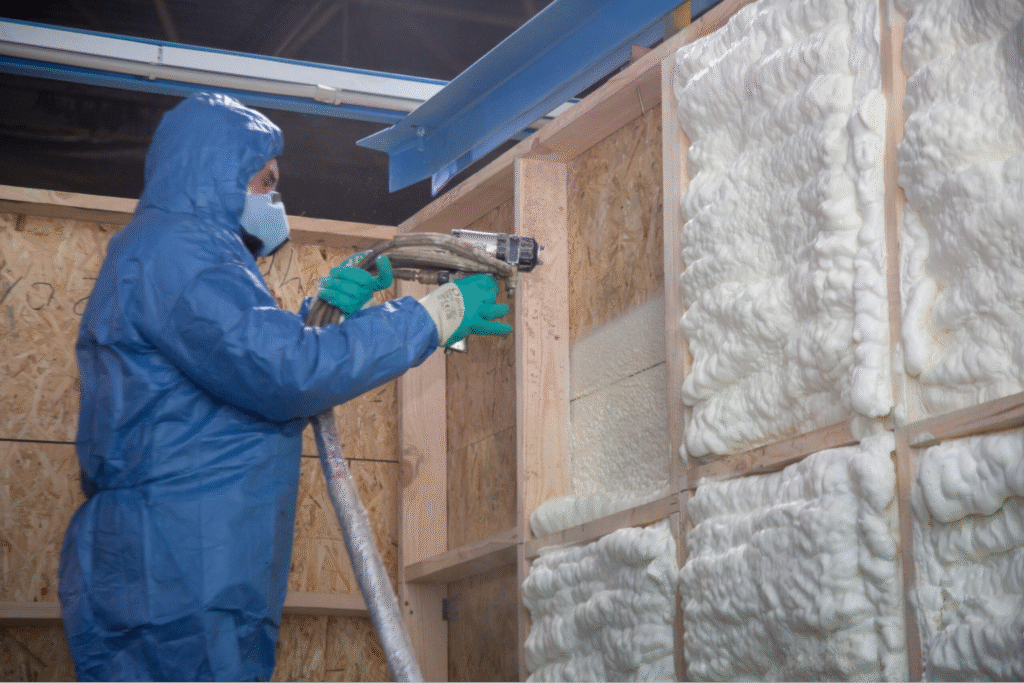
Coatings pair naturally with other envelope upgrades too. Buildings under construction increasingly bundle roof waterproofing contractors with new construction spray foam insulation, which builders now specify.
The logic makes sense. A tight building envelope needs both a sealed roof surface and proper insulation working together. One without the other leaves performance gaps, literally and financially.
Real estate developers who design and construct new buildings are rapidly understanding, accepting, or adopting new trends nowadays. More general contractors now request new construction spray foam insulation that Iowa crews can install before the drywall is attached to the walls.
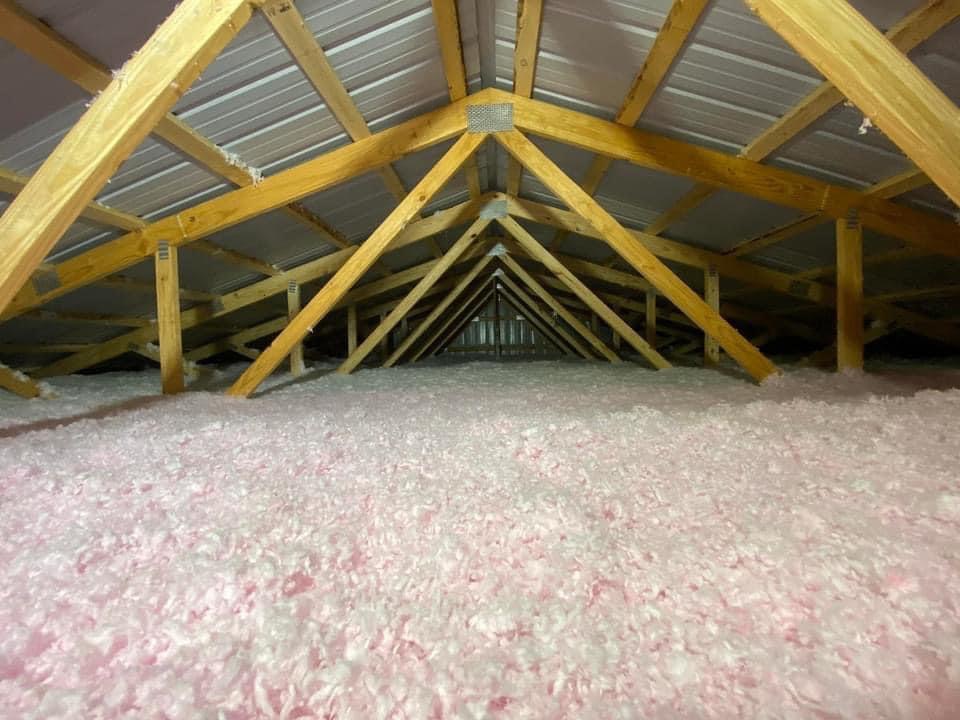
It’s cheaper to plan for both systems early than to retrofit either one later. Homeowners chasing lower energy bills see the same pattern locally. An insulation contractor whose families call for attic upgrades will often check and report the state of the roof.
The two systems affect each other more than people expect. That’s also why a second insulation contractor Des Moines residents trust might recommend a roof check first, before touching the attic.
Common Missteps That Cost Iowa Property Owners Real Money
The following are the mistakes that can be avoided while waterproofing a roof:
- Delaying inspection until a leak already stains the ceiling
- Choosing the cheapest bid without checking coating warranty terms
- Applying coating over unrepaired seams or wet substrate
- Ignoring drainage slope issues that cause repeat ponding
- Skipping annual roof walk-throughs after coating installation
Another mistake happens away from the roof entirely. Owners fix the roof, then forget the building envelope underneath it. Spray foam contractors frequently get called in after a roof project wraps.
That’s usually once someone notices energy bills haven’t improved. A well-reviewed spray foam contractor Iowa builders recommend will usually walk the roofline before quoting any insulation work at all.
Treating insulation and roofing as separate, unrelated projects is a costly habit. They share walls, attics, and rooflines. That’s why their problems are also common. Homeowners searching for home insulation services should ask one thing. Does the estimate include a check of roof condition too?
You have to keep asking the same question to every home insulation contractor you are considering. Every reliable contractor evaluates an entire system and how its parts interact, rather than focusing on just one isolated component.
Choosing the Right Timing (And the Right Team)
There’s no single calendar date that works for every roof. Age matters. Roof type matters greatly. Sun exposure and roof slope matter too.
A rough guideline still helps most owners plan sensibly.
- Under 10 years old: monitor annually, coat proactively if signs appear
- 10 to 15 years old: strongly consider a coating during the next dry season
- 15-plus years with no coating history: get a full inspection scheduled soon
Spring and early fall tend to offer the best application windows in Iowa. Temperatures stay moderate, and rain gaps are easier to plan around. Waiting until winter narrows the options considerably. Cold-weather application often means slower cure times and stricter material limits.
Crews can still work through mild stretches; any delays will quickly cause major scheduling problems because there is no extra time left in the calendar. Booking early in the season usually means more flexibility on price and timeline.
Make sure to choose the right crew. But before hiring, ask them about licensing, insurance, and manufacturer certifications. A dependable waterproofing roof contractor in Iowa that owners keep rehiring will answer these questions without hesitation.
The Bottom Line for Building Owners
Roofs rarely fail all at once. They fail slowly, then suddenly. Coatings exist to interrupt that slow decline before it turns expensive. Whether the building is a warehouse, a strip mall, or a family home, the same logic applies.
Watch for the early signs. Schedule inspections before problems demand them. Pair roof work with proper insulation planning whenever possible. The buildings that age well across Iowa aren’t lucky. They’re maintained on purpose, year after year. That’s the difference a little attention, applied early, actually makes.
Precision Insulation and Coatings is a trusted waterproofing roof contractor in Iowa. Whether you need metal roof repair or concrete leveling services, you can rely on our expert services. Reach out to us for an insulation estimate as per your specific insulation requirements.
Frequently Asked Questions
Q1. How often should an Iowa roof be inspected for waterproofing needs?
Most professionals recommend annual inspections, plus a check after major storms. Catching small issues early keeps repair costs down and extends coating and roofing system lifespan significantly.
Q2. Can roof coatings be applied over an existing roof without tearing it off?
Yes, in most cases. Coatings adhere directly to a properly cleaned, repaired surface. That avoids the cost, waste, and disruption of full replacement.
Q3. How long does a roof coating typically last in Iowa’s climate?
Depending on the material and maintenance, coatings often last ten to twenty years. Silicone and elastomeric systems tend to hold up especially well against freeze-thaw cycling.
Q4. Does spray foam insulation affect roof waterproofing decisions?
Yes. Spray foam changes moisture behavior inside a building. Coordinating insulation and roofing work helps prevent trapped moisture, condensation issues, and premature wear on both systems.
Q5. Is roof coating cheaper than full roof replacement?
Generally, yes. Coatings typically cost a fraction of tear-off replacement. They still extend roof life by many years when applied at the right stage.