Like most homeowners, you may be of the opinion that the bigger the R-value, the better the insulation is. Right? But that’s not always true. Due to this assumption, many people in Iowa lose money every year.
R-value measures resistance to heat flow. Higher is technically better, always. But “better” and “worth the price tag” aren’t the same question. If you ask any honest fiberglass insulation contractor, you will notice that they will tell the truth in the beginning. Past a certain point, you’re paying a lot more for very little extra comfort.
This isn’t an argument against fiberglass. It’s still one of the most cost-effective materials on the market.
The question is where the curve bends. Where does spending more stop translating into savings? Real numbers help here. Upgrading attic insulation from R-11 to R-49 often cuts heating and cooling costs by 15 to 25 percent.
This guide explains the actual cost calculations, Iowa-specific pricing factors, and exactly what the additional money pays for. So, let’s begin now!
The Physics Behind Diminishing Returns
Heat loss isn’t linear. That’s the part most product pages skip entirely. An interesting fact is that every added inch of fiberglass does less work than the inch before it. This is how that curve actually looks:
- Zero insulation to R-19: heat loss drops by roughly 90 percent.
- R-19 to R-38: real savings continue, but the rate slows down.
- R-38 to R-60: gains shrink further, since most benefit is already captured.
- R-60 and beyond: extra material adds cost with barely measurable benefit.
Contractors sometimes call this the “flattening curve.” Several factors decide where an Iowa property should actually land on that curve:
- Climate zone classification, since Iowa sits mostly in Zones 5 and 6.
- Attic versus wall application, because heat loss patterns differ by location.
- Existing air sealing quality, since gaps undercut even top-tier insulation.
- Local energy costs, which determine how fast upgrades pay for themselves.
- Building age and construction type, affecting cavity depth and access.
A qualified fiberglass insulation contractor weighs all five before making any decision. If you skip that step, you will end up overpaying or underperforming.
Iowa winters bring their own pressure to the equation:
- Sub-zero stretches are common from December through February.
- Recommended attic R-values run higher here than in milder states.
- A higher target still has a ceiling worth respecting.
- Past that ceiling, spending stops matching the comfort gained.
Picture a highway getting extra lanes. The first new lane clears real congestion. The fifth lane hardly moves traffic at all. Insulation layers behave the same way once you’re past the useful range.
When Adding More Insulation Makes Sense
Older Iowa homes often have relatively low attic insulation. Increasing it can provide a significant improvement in comfort and energy efficiency, especially when the existing insulation is very thin.
The step-by-step procedure that a fiberglass insulation contractor follows is as follows:
- Measure current R-value. Existing insulation gets inspected for depth, compression, and moisture damage.
- Identify air leaks first. Sealing gaps before adding insulation prevents wasted material and cost.
- Calculate target R-value. Zone 6 attics generally target R-49 to R-60 for optimal performance.
- Compare material options. Batts, blown-in, and hybrid approaches all carry different price points.
- Run the payback estimate. Annual energy savings get weighed against total installation cost.
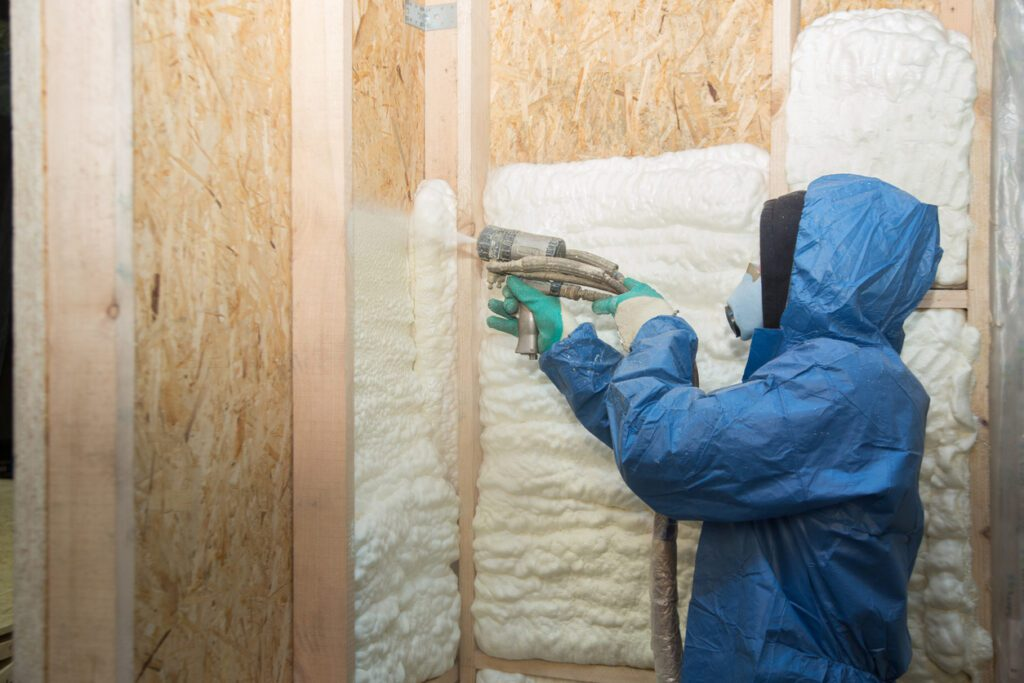
Homeowners who want efficiency should sometimes choose residential spray foam insulation options. Spray foam seals gaps that are beyond the reach of fiberglass. A hybrid approach often makes sense in older construction. Foam handles rim joists and gaps; fiberglass covers open cavities at lower cost.
Commercial projects work differently. Commercial building insulation jobs often blend materials based on occupancy type and code requirements. Warehouses prioritize different R-values than office spaces. There is no single approach that fits every square foot of a mixed-use structure.
Residential and Commercial Rarely Share the Same Math
For homeowners, comfort and monthly bills are the priority. For building owners, occupancy, code compliance, and equipment loads. A spray foam insulation company Iowa businesses call for retrofits usually starts with a full energy audit. Commercial spaces waste heat differently than houses do. Loading docks, mechanical rooms, and open-plan offices all behave differently under one roof.
For homes, residential spray foam insulation crews tend to focus on rim joists, attics, and crawl spaces because those areas leak the most. Commercial building insulation contractors often handle larger volumes, tighter timelines, and stricter documentation. The stakes and the paperwork both scale up together.
Common Missteps That Waste Real Money
Small insulation mistakes may not seem important at first, but they can steadily increase energy costs in the long term. The common mistakes made by Iowa property owners are
- Chasing the highest R-value blindly. More material past the diminishing curve rarely justifies its own cost.
- Ignoring ventilation requirements. Overstuffed attics without proper airflow can trap moisture and cause rot.
- Comparing quotes on price only. Make sure that you do not hire a contractor based solely on the fact that they are charging a lower price.
- Assuming one material fits the whole building. Basements, attics, and walls often need different solutions entirely.
- Waiting until a system fails. Reactive upgrades cost more than planned, as do seasonal improvements.
Make sure that you hire a trustworthy spray foam insulation company. They will tell you where you need to actually install spray foam or not. This is also true in the case of routine home upgrades. Reach out to a reliable home insulation contractor who will suggest the right solution without imposing any specific option.
If a contractor can’t explain diminishing returns clearly, that’s worth noticing because confusion often hides the inflated future costs. Homeowners in the metro area face one more problem. Older housing stock near the core often needs full envelope evaluations. If you hire an experienced insulation company, you will notice that they first conduct an on-site inspection.
What a Real Quote Should Actually Include
Always remember that every estimate is unique and different. Some are thorough; others are guesswork with a price tag. A written quote from a fiberglass insulation contractor should spell out specifics. Vague line items usually signal a vague installation to follow.
You must look for these details before signing anything:
- Current R-value measurements, taken on-site rather than estimated from photos.
- Target R-value by area, since attics and walls rarely match.
- Material type and thickness, specified in writing, not verbally promised.
- Air sealing scope, listed separately from insulation material itself.
- Estimated payback timeline, based on local energy rates, not national averages.
A detailed proposal protects both sides of the deal. It sets expectations before any material gets sprayed or laid down. Homeowners who skip this step often end up guessing later. Was the attic actually brought to R-49, or just topped off? A reputable fiberglass insulation contractor welcomes these questions. Hesitation on specifics is usually a red flag worth noticing early.
What Actually Makes Sense for Your Building
There is not one ideal R-value for every Iowa property. Climate, building type, and budget all play a major role in determining it. For many attics, R-49 to R-60 can provide a good balance between performance and cost.
Wall cavities can only hold a certain amount of fiberglass. A good home insulation contractor looks at the home’s actual structure and chooses the right insulation instead of simply selling more material.
An experienced insulation company will calculate what your building actually needs. They won’t recommend extra insulation just to increase the price. Get a real inspection before assuming bigger is better. The right number depends on your walls, not a marketing chart.
Ready for a straight answer on your own building? Contact Precision Insulation and Coatings for an honest, on-site R-value assessment today.
Frequently Asked Questions
Q1. Is a higher R-value always better for Iowa homes?
Technically yes, but returns shrink significantly past certain thresholds. For most Iowa attics, R-49 to R-60 offers the best balance between upfront cost and long-term energy savings.
Q2. How much does upgrading attic insulation typically cost?
Costs vary by square footage, current R-value, and material choice. Blown-in fiberglass generally runs less than spray foam, though a proper quote requires an on-site inspection first.
Q3. Can fiberglass and spray foam be combined in one building?
Yes, hybrid approaches are common. Spray foam often handles rim joists and hard-to-reach gaps, while fiberglass covers open attic and wall cavities at a lower material cost.
Q4. Does Iowa have a minimum required insulation R-value?
Building codes reference DOE climate zone recommendations, and Iowa falls mostly within Zones 5 and 6. Local jurisdictions may set additional requirements, so confirm specifics before starting a project.
Q5. How long does it take to recover the cost of upgrading?
Payback periods typically range from two to six years, depending on material and current insulation levels. Homes starting from very low R-values usually see the fastest return on investment.